
The Byproduct of the Hateful Race-Based Rhetoric, Islamophobia and Anti-Immigration
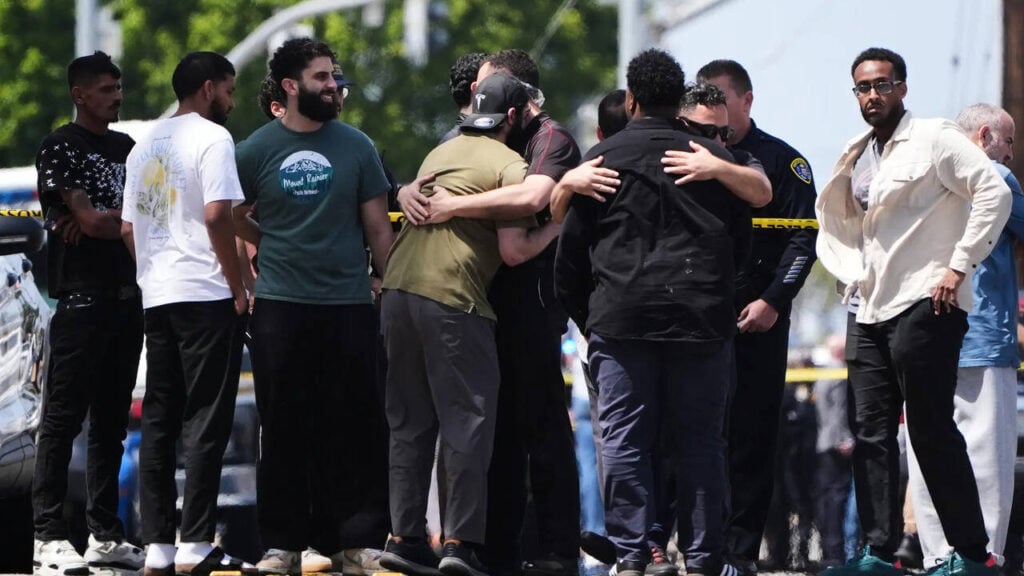
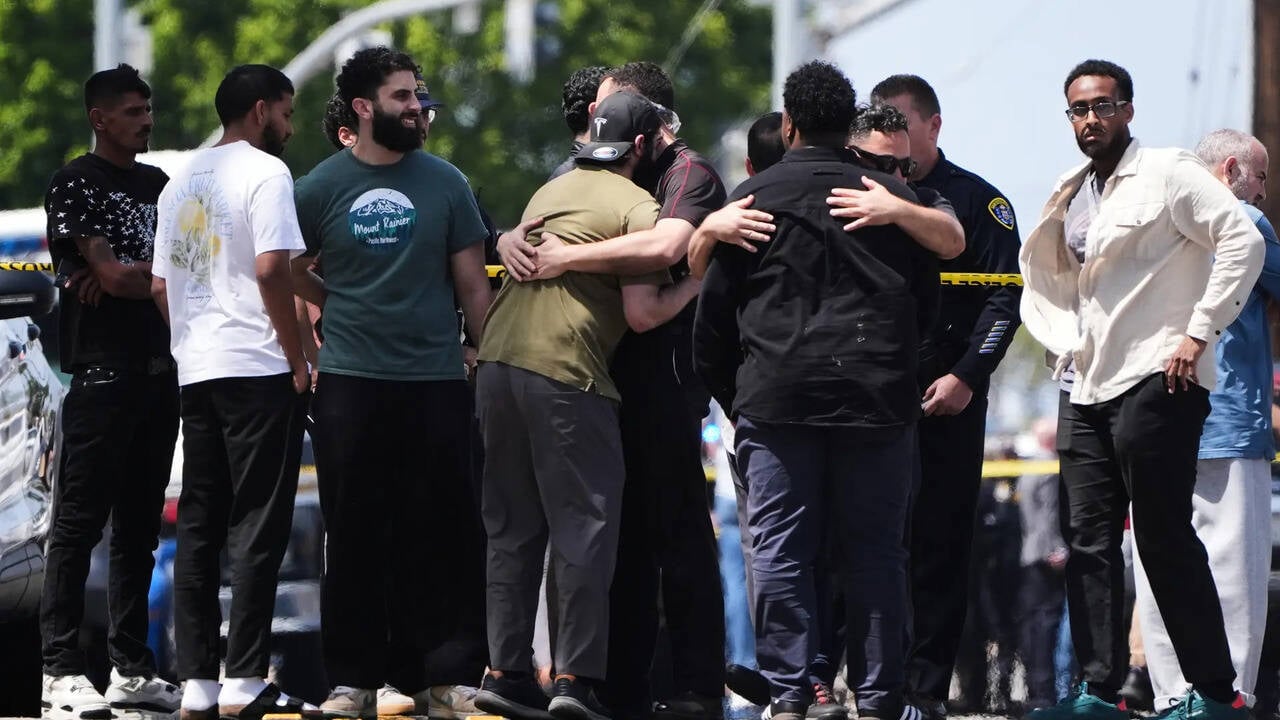
The deadly attack at the Islamic Center of San Diego has once again exposed the violent consequences of escalating anti-Islamic, anti-immigrant, and race-based extremism spreading across the United States. What began as hateful rhetoric circulating online, in political discourse, and through extremist networks ended in bloodshed Monday when two heavily armed teenage gunmen entered the mosque and killed three respected members of the Muslim community.
Authorities say approximately 140 children were inside the mosque complex at the time of the attack. Law enforcement officials credited the heroic actions of three men — Amin Abdullah, 51, Nadir Awad, 57, and Mansour Kaziha, 78, known affectionately as Abu Ezz — with preventing what could have become a far larger massacre.
Investigators say the attack is being treated as a hate crime and act of domestic terrorism. The two suspects, identified as 17-year-old Cain Clark and 18-year-old Caleb Vazquez, were later found dead from apparent self-inflicted gunshot wounds after fleeing the scene.
Authorities have since uncovered what officials describe as a sprawling extremist manifesto filled with white supremacist ideology, accelerationist rhetoric, antisemitism, Islamophobia, anti-Black racism, misogyny, and anti-LGBTQ hatred. The writings reportedly praised notorious mass murderers including the Christchurch mosque killer Brenton Tarrant and referenced neo-Nazi extremist groups such as Atomwaffen Division and The Base.
According to investigators and extremism researchers, the manifesto advocated “race war,” societal collapse, and violence against Muslims, immigrants, Black people, Jews, and other minority communities. The shooters allegedly described Muslim immigrants as “invaders” and promoted the racist “Great Replacement” conspiracy theory — a narrative increasingly echoed in extremist political spaces and amplified in segments of American political discourse.
The attack comes amid a measurable rise in anti-Muslim incidents and anti-immigrant rhetoric nationwide. Muslim advocacy organizations and civil rights groups have warned for years that inflammatory political language from media figures, elected officials, and candidates has contributed to a climate where hate crimes become more likely. Community leaders connected the San Diego massacre to a broader environment of fear and dehumanization directed toward Muslims and immigrant communities.
Critics point to increasingly aggressive rhetoric emanating from both the White House and statehouses across the country, where migrants, refugees, Muslims, and communities of color have frequently been framed as threats to American identity, security, or culture. Civil rights advocates argue such language creates fertile ground for radicalization, particularly among isolated young men consuming extremist online propaganda.
The Islamic Center of San Diego had already implemented lockdown procedures and security measures due to prior threats and hate mail directed at the mosque. Amin Abdullah, a longtime security guard at the center, reportedly confronted the shooters immediately upon entry and initiated an emergency lockdown that protected the children and worshippers inside. Authorities say Abdullah exchanged gunfire with the attackers and delayed their movement long enough for the building to be secured.
As the gunmen moved through the property, both Mansour Kaziha and Nadir Awad confronted them outside the mosque. Kaziha reportedly managed to call 911 before both men were fatally shot. Police officials stated that the actions of all three victims unquestionably saved lives.
The victims represented pillars of the San Diego Muslim community.
Abdullah was known as a devoted father, protector, and welcoming presence at the mosque. Kaziha had served the Islamic Center since its earliest years and was widely viewed as one of its foundational caretakers and elders. Awad, who lived nearby, reportedly ran toward danger after hearing gunfire because his wife worked at the mosque school. Community members described the three men as embodiments of service,