
By Argus Community Staff
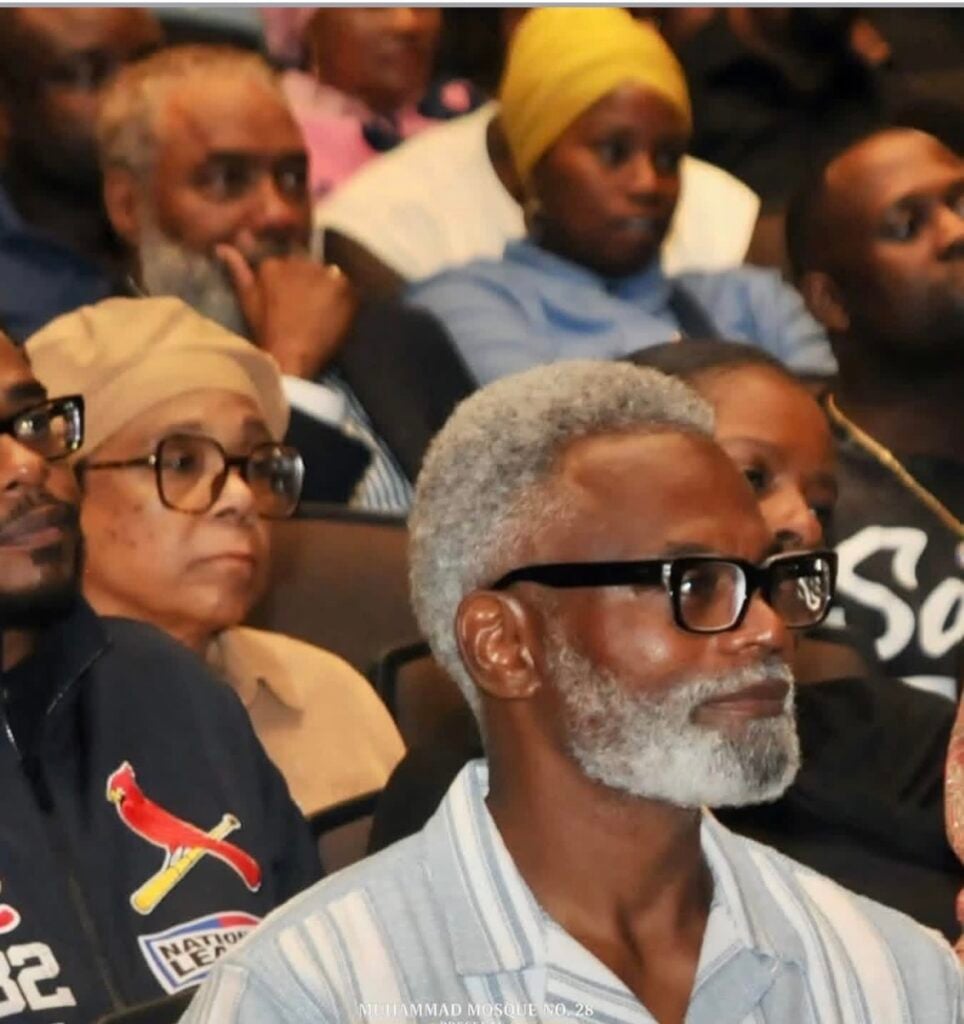
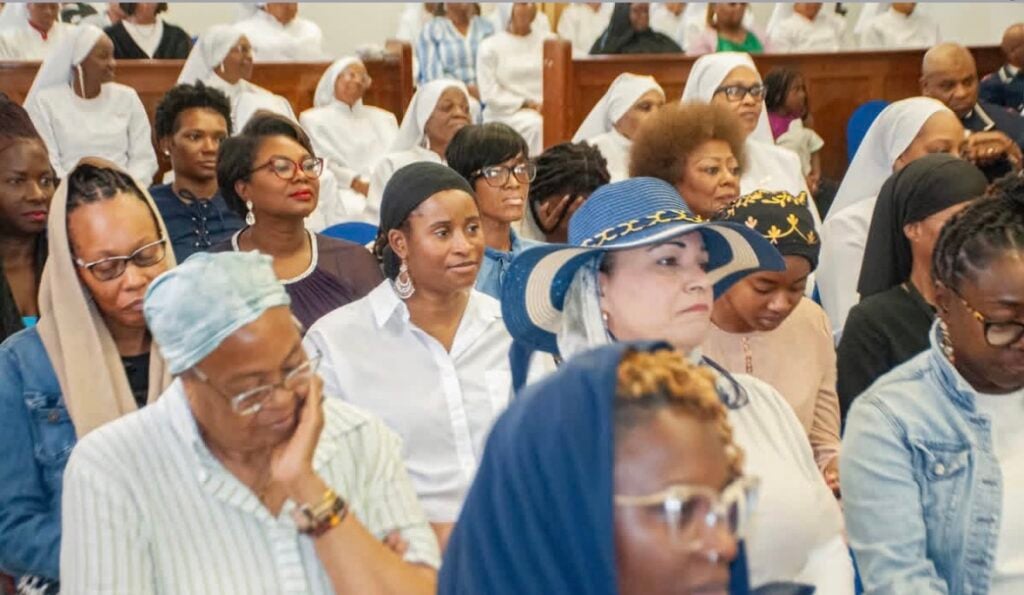
The inaugural Black Family Week, held July 11–18, 2026, brought together faith, family and community around a central question: How do we strengthen our communities by first restoring and stabilizing the Black family?
The first annual observance was held at Harris-Stowe State University, one of two Historically Black Colleges and Universities in the state of Missouri. The historic campus provided a fitting setting for an initiative centered on strengthening Black families, developing stronger communities and examining the collective responsibility required to create lasting change.
The week centered on the exploration and restoration of the Black family, with conversations focused on personal and community responsibility, the growth and preservation of marriage, stronger relationships, and the importance of stable homes as foundations for thriving communities.
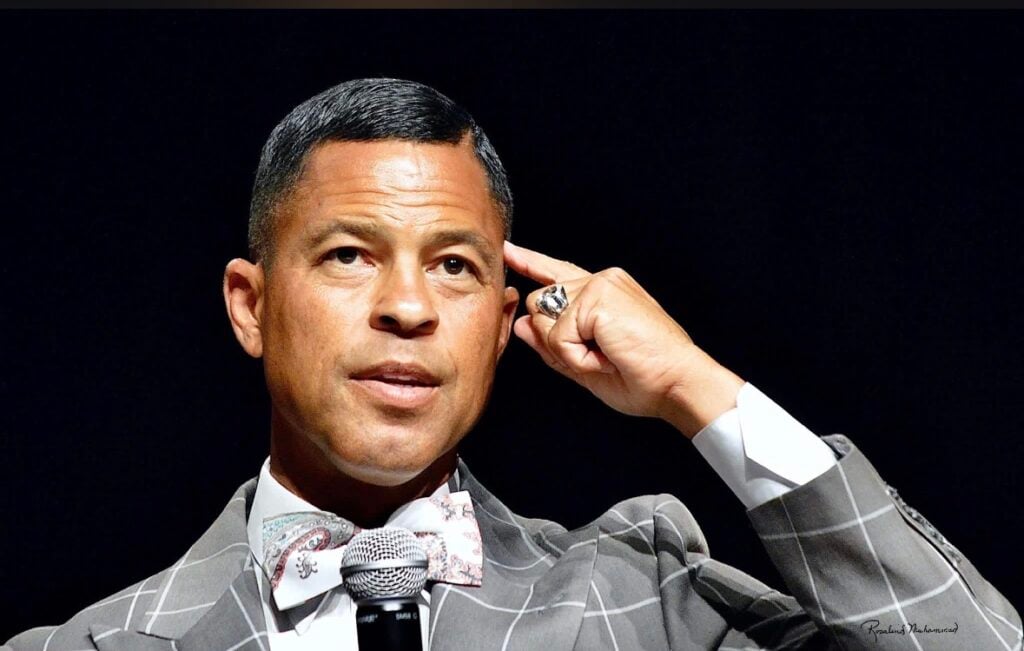
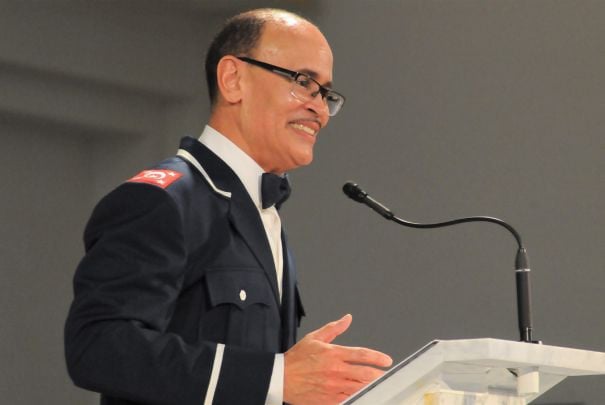
Black Family Week opened with a lecture by Minister Ishmael Muhammad, National Assistant to the Honorable Minister Louis Farrakhan. His participation helped establish the tone for a week intended to move beyond simply discussing the challenges confronting Black families and toward examining the responsibilities individuals, institutions and communities must accept in addressing them.
The week culminated with a lecture by Indianapolis-based Minister Nuri Muhammad, whose ministry, lectures and literary works have helped establish him as an increasingly nationally recognized voice on family, marriage, relationships and personal responsibility. Through his writing and public speaking, Muhammad has addressed subjects ranging from courtship and marriage to the responsibilities of men and women and the spiritual principles necessary to build stronger relationships and families.
Throughout Black Family Week, the message remained consistent: Strong communities cannot be separated from strong families.
Crime, educational disparities, economic instability, unhealthy relationships and neighborhood decline are often discussed as separate problems. Yet many of these challenges intersect within the home. The restoration of community, therefore, requires serious attention to the institutions of marriage and family, the responsibilities of parenthood and the relationships between men, women and children.
That responsibility also includes preparing families to confront unexpected challenges. On Thursday, Black Family Week featured a disaster preparedness seminar designed to encourage individuals and families to think proactively about how they would protect, sustain and care for their households during emergencies and disasters.
The seminar emphasized the importance of proper planning and strategy—helping families develop a preparedness mindset before a crisis occurs. From understanding emergency needs to considering how families will communicate, respond and sustain themselves during disruptions, disaster preparedness was presented as another dimension of family responsibility. Protecting the family means not only responding to the challenges of today, but preparing for the uncertainties of tomorrow.
Student Minister Donald Muhammad of Muhammad Mosque No. 28 served as the chief architect of the local Black Family Week initiative, aligning the St. Louis observance with the national call upon the community “to make our communities a safer and better place to live.” His leadership and community service have spanned more than four decades, providing a foundation of experience and continuity for an effort designed not simply as a week of programming, but as a catalyst for sustained family and community development.
Minister Donald Muhammad also introduced an important concept during the week: considering the term “merger” rather than simply “unity” when discussing organizations and individuals working together.
The distinction suggests a more intentional and practical approach to collaboration. A merger conveys the mindset of business—bringing together assets, resources, platforms, relationships and varying areas of expertise to accomplish something greater than what each participant might achieve independently.
Within the context of community development, that means moving beyond an individual-only approach to success. Churches, mosques, businesses, media organizations, nonprofits, educators, professionals and community leaders all possess resources that can be strategically shared and leveraged to address the broader needs of the community.
The challenge is not merely to agree that unity is desirable. It is to determine what each of us brings to the table and how those resources can be combined for greater impact.
In that sense, Black Family Week represented both a call for personal responsibility and a model for collective action. Its underlying message—that making communities safer and better places to live begins with stronger individuals, marriages, families and institutions—connected each of the week’s discussions, from relationships and home stabilization to disaster preparedness and community collaboration.
Achieving that goal requires more than responding to problems after they occur. It calls for building stronger marriages and homes, preparing families for emergencies, investing in children, supporting healthy relationships and creating networks of cooperation that allow communities to become more resilient and self-sustaining.
Black Family Week 2026 represented a beginning. As the first annual observance, it laid groundwork organizers and supporters hope will lead to an even broader and more impactful Black Family Week in 2027.
“This laid the groundwork and should be a catalyst and call for men and women to strengthen their commitments to self, family, community and God,” stated St. Louis Argus Publisher TD El-Amin.
“We all have something to contribute to efforts such as this, whether financially, through prayer, or by using our platforms to promote these positive efforts toward restoring community through family,” he added.
That may ultimately be the lasting message of the inaugural Black Family Week.
Restoration is not the responsibility of one organization, one religious institution or one community leader. It requires a collective investment in the people and institutions that form the foundation of community life. It requires men and women willing to examine their own responsibilities, families committed to strengthening their homes, and organizations willing to merge their resources and influence in pursuit of something larger than themselves.
If Black Family Week 2026 planted the seed, the work ahead is to nurture it.
The measure of its success will not simply be how many people attended an event or listened to a lecture. Its true impact will be found in stronger marriages, healthier relationships, better-prepared families, more stable homes, safer neighborhoods, greater cooperation among community institutions and a renewed understanding that rebuilding the Black community begins with strengthening the Black family.
Black Family Week 2026 may have been the first—but its message was clear: the restoration of family must become a movement, not merely a moment.