
Historic Black political victories across the South raise uncomfortable questions about Democratic investment, representation, and the future of statewide leadership in Missouri.
By Talibdin El-Amin | Publisher, St. Louis Argus
The political winds sweeping across America have produced results that would have seemed nearly unimaginable just a few election cycles ago. In two states historically associated with segregation, conservative politics, and Republican dominance, African American candidates have achieved extraordinary victories.
In Mississippi, Democrat Scott Colom defeated Republican U.S. Senator Cindy Hyde-Smith, becoming the first Black senator elected from that state since Reconstruction. In Georgia, former Atlanta Mayor Keisha Lance Bottoms made history as the nation’s first elected Black woman governor, leading a Democratic statewide sweep that included several other Black women.
If Mississippi and Georgia can accomplish these political milestones, what exactly is preventing Missouri from doing the same?
The question deserves serious consideration from Missouri’s Democratic Party leadership and the Democratic National Committee.
Black voters have long constituted one of the Democratic Party’s most reliable constituencies. Their participation, organizing, and political engagement have contributed significantly to Democratic victories, including the party’s recent congressional gains.
Yet an uncomfortable question persists: How often are African Americans viewed as indispensable voters but overlooked as potential statewide standard-bearers?
Missouri has produced accomplished Black elected officials, legislators, municipal executives, community organizers, business leaders, and policy professionals. But where is the sustained, intentional statewide infrastructure designed to identify, develop, finance, and support credible African American candidates for governor, lieutenant governor, attorney general, secretary of state, and the United States Senate?
Where are the early investments, donor networks, organizational partnerships, candidate-development initiatives, and comprehensive strategies necessary to build competitive campaigns?
And perhaps most importantly, where is the meaningful dialogue with the Black community beyond the customary election-season appeals for voter turnout?
Georgia’s results demonstrate what broader political participation and successful statewide candidacies can achieve. Mississippi’s historic Senate victory challenges longstanding assumptions about which candidates can succeed in deeply conservative states.
Neither victory occurred in a political vacuum. Both deserve examination for lessons involving campaign organization, financial investment, voter engagement, coalition building, and sustained community relationships.
Missouri Democrats should be asking whether comparable infrastructure exists here—and, if not, why.
Engagement cannot begin and end with Black churches during election season or appearances at community events when votes are needed.
It must include grassroots organizations, historically Black institutions, African American businesses, Black media, civic associations, elected officials, and community leadership across St. Louis, Kansas City, Columbia, Springfield, and rural Missouri.
These institutions should be participants in strategy development, not merely distribution channels for campaign messaging.
The broader question is whether Democratic leadership regards Black political advancement as a central institutional priority or as a secondary consideration behind more familiar political arrangements.
That distinction matters.
Black Missourians deserve genuine opportunities to compete for statewide leadership—not ceremonial recognition or consideration limited to positions assumed to be unwinnable.
And Missouri’s political history offers a particularly sobering reminder.
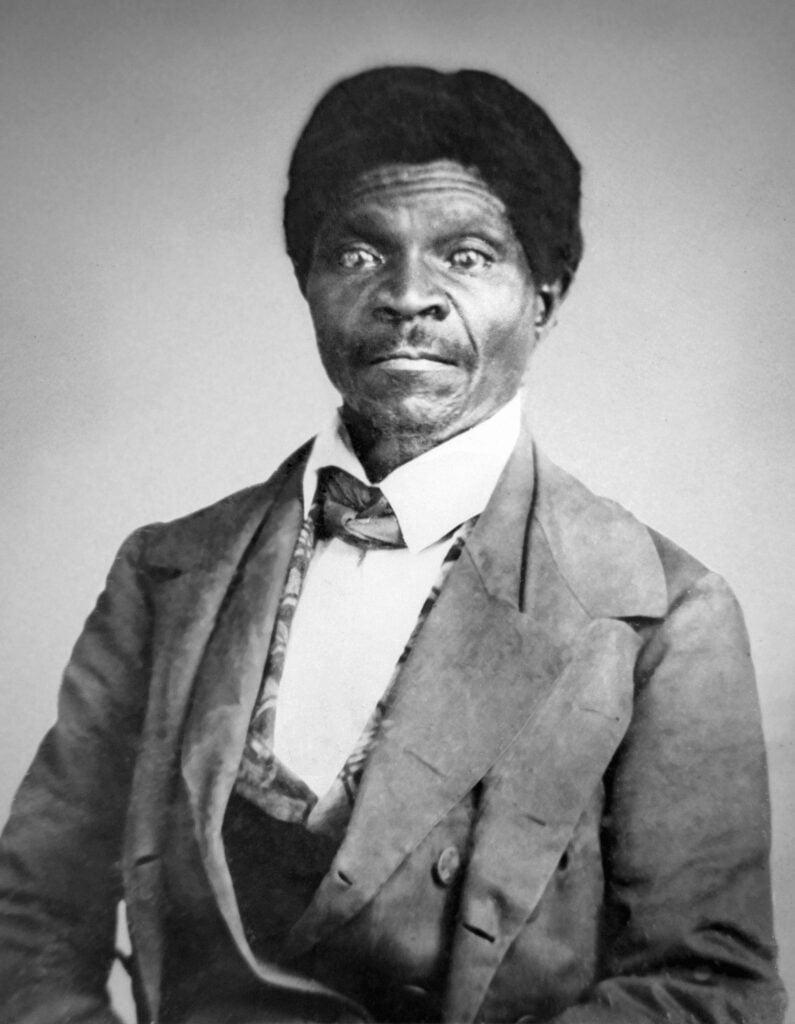
The state maintained slavery until January 11, 1865, when its constitutional convention abolished the institution. Although Missouri was not the nation’s last state to end slavery, emancipation came late enough to underscore the distance between America’s democratic ideals and their fulfillment.
More than 160 years later, Missouri should not be among the last states willing to seriously cultivate Black statewide political leadership.
Mississippi has demonstrated that political barriers can fall. Georgia has demonstrated that history can be rewritten.
The challenge for Missouri Democrats is whether they will invest in developing a broader, more representative political leadership pipeline rather than relying on traditional electoral strategies.
The victories elsewhere raise a question that can no longer be dismissed:
If Mississippi and Georgia can do it, why not Missouri?
REPORTING & HISTORICAL NOTES
Mississippi: Scott Colom’s 2026 U.S. Senate victory was reported as the first election of a Black U.S. senator from Mississippi since Reconstruction (Associated Press, November 11, 2026).
Georgia: 2026 election reporting identified Keisha Lance Bottoms as the first elected Black woman governor of the state and documented other statewide victories by Black women.
Missouri abolished slavery on January 11, 1865, by state constitutional convention; it was not the last U.S. state to end slavery.