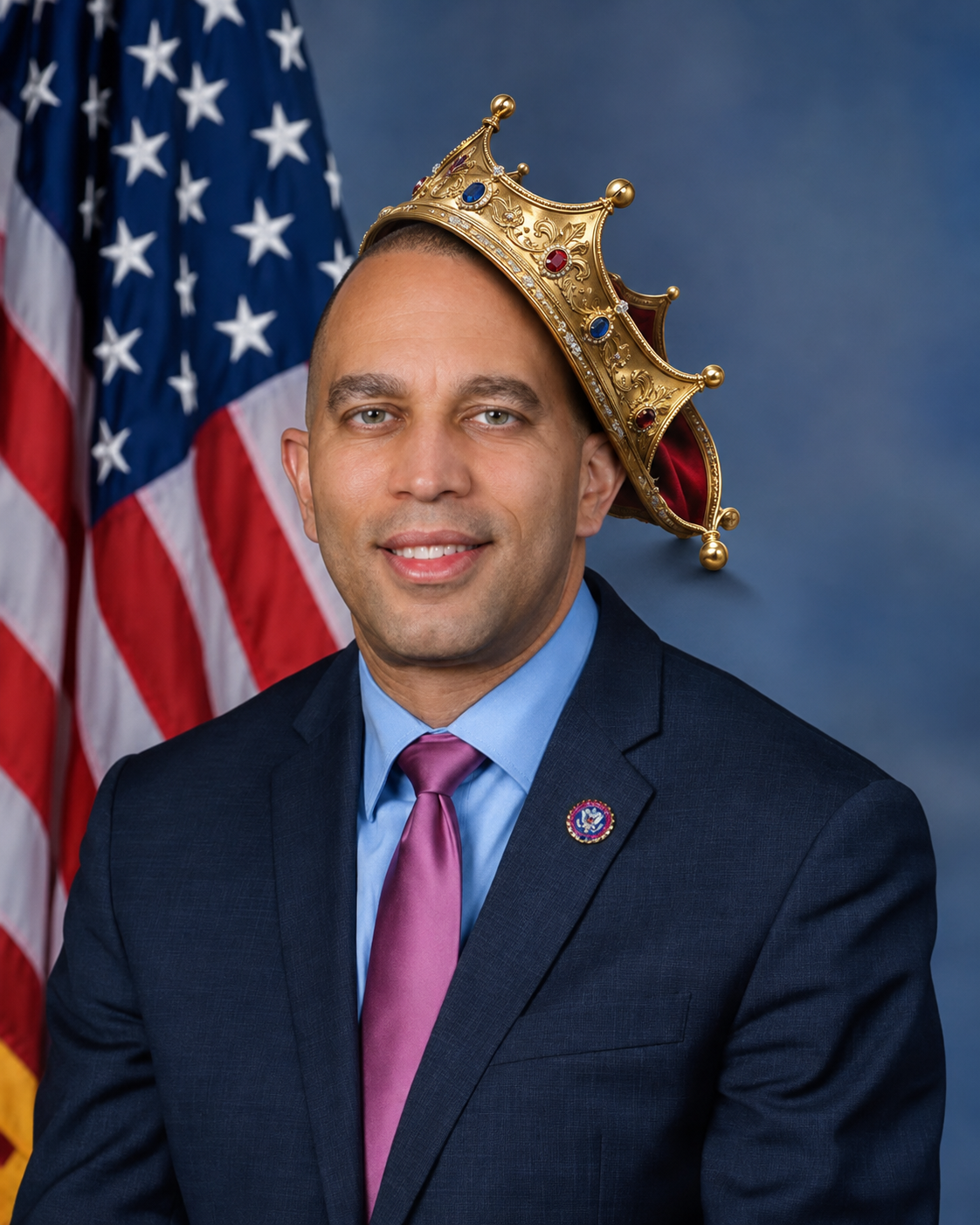

Incoming Democrats demand accountability, grassroots activists flood congressional offices, and a failed Hegseth impeachment maneuver raises questions about the party’s readiness to govern.
POLITICAL ANALYSIS
The Democratic Party’s sweeping electoral victories have delivered an unmistakable mandate for change. But as Democrats prepare to assume control of Congress in January, a growing rebellion within their own ranks threatens to complicate what once appeared to be the inevitable elevation of House Minority Leader Hakeem Jeffries to Speaker.
The controversy intensified following allegations by Ohio Congressman-elect Don Leonard that senior House Democrats threatened political retaliation if he refused to support Jeffries unconditionally.
Leonard, who flipped a Republican-held congressional seat, alleged that party leaders warned they would make his life a ‘living hell’ in Washington and jeopardize his reelection in 2028. The allegations, first reported by Drop Site News, have not been independently verified. His demands include confronting corporate influence in elections, ending American involvement in the war against Iran, and reconsidering continued military support for Israel. Leonard is hardly alone in questioning whether Jeffries should inherit the speakership without substantial commitments.
Several newly elected Democrats have withheld endorsements, demanding policy priorities and meaningful changes in leadership. What historically resembled a political coronation is increasingly becoming a debate over accountability and the direction of the Democratic Party. Meanwhile, congressional offices have reportedly been inundated with constituent telephone calls demanding alternatives to Jeffries and Senate Minority Leader Charles Schumer. Axios reported hundreds of calls to individual congressional offices, while grassroots campaigns have gathered substantial support for new leadership.
Another troubling development emerged November 10, when the Republican-controlled House voted 211–204 to refer impeachment articles against Defense Secretary Pete Hegseth to committee, effectively halting immediate consideration. Although 203 Democrats opposed the procedural maneuver, 11 Democratic representatives failed to vote. Their absences have raised additional questions about party discipline and legislative coordination, particularly after Jeffries publicly expressed support for impeachment. The reasons for those absences varied, and the record does not establish deliberate opposition to impeachment.For critics, the incident symbolizes a broader concern:
Can Democratic leadership translate electoral victories into decisive legislative action?
Progressives are demanding stronger commitments to ending the Iran war, terminating military assistance to Israel, advancing Medicare for All, and confronting corporate political influence. These issues helped energize important segments of the Democratic coalition, yet critics remain unconvinced that Jeffries and Schumer will pursue them with the urgency voters expect. Jeffries retains overwhelming support among incumbent House Democrats, including prominent progressives, and remains the clear favorite for Speaker. Nevertheless, winning the leadership vote will not automatically settle questions about his political mandate.
The incoming Congress represents an opportunity to redefine Democratic priorities rather than merely restore familiar leadership arrangements. Should Jeffries become Speaker, his handling of healthcare reform, foreign policy, congressional oversight, and the party’s progressive wing will face intense scrutiny.
Failure to deliver meaningful change could transform today’s dissent into organized opposition, including a potential primary challenge in 2028.
The message from increasingly vocal Democrats is unmistakable: Electoral victory does not confer unlimited authority. Leadership must be earned, accountability must be demonstrated, and political loyalty can no longer be assumed.
Reporting basis: Drop Site News, Axios, The Washington Post, Reuters, and the official U.S. House roll-call record, November 6– 11, 2026. Allegations and analysis are distinguished from verified events.