
From Brazil to Hungary, voters challenge Trump-aligned leaders as Palestine becomes a defining moral and political issue
RAMBLINGS OF AN ISSUECRAT • INTERNATIONAL POLITICS | October 29, 2026
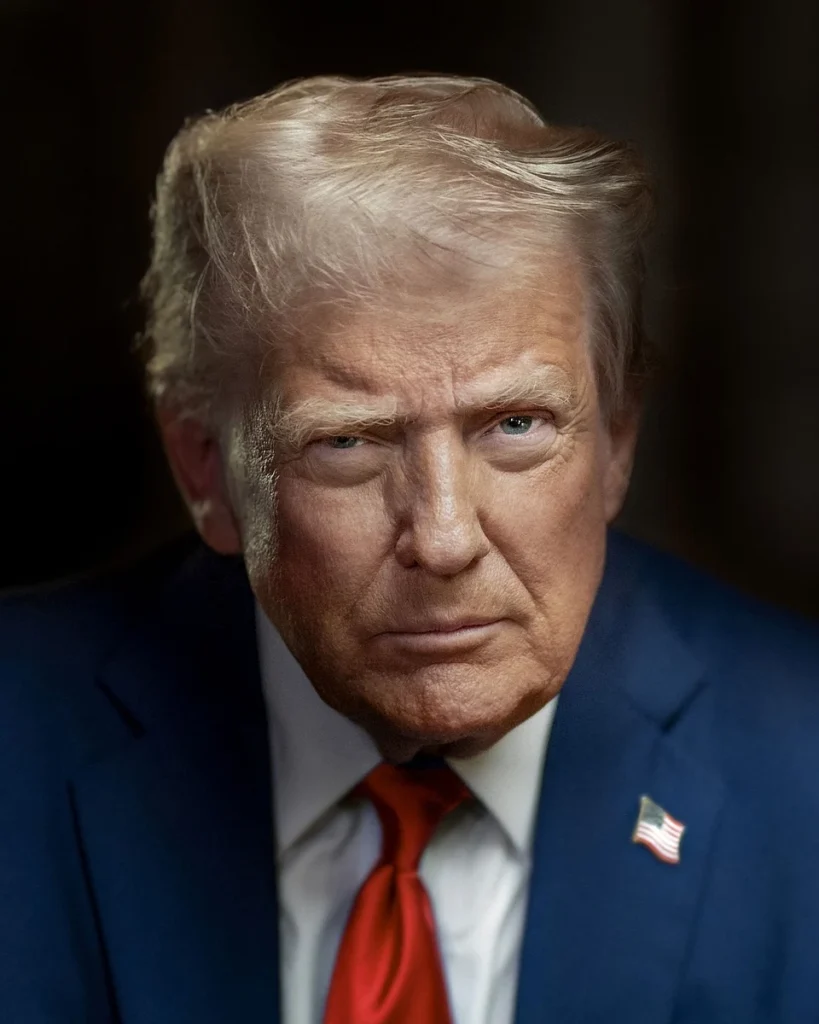
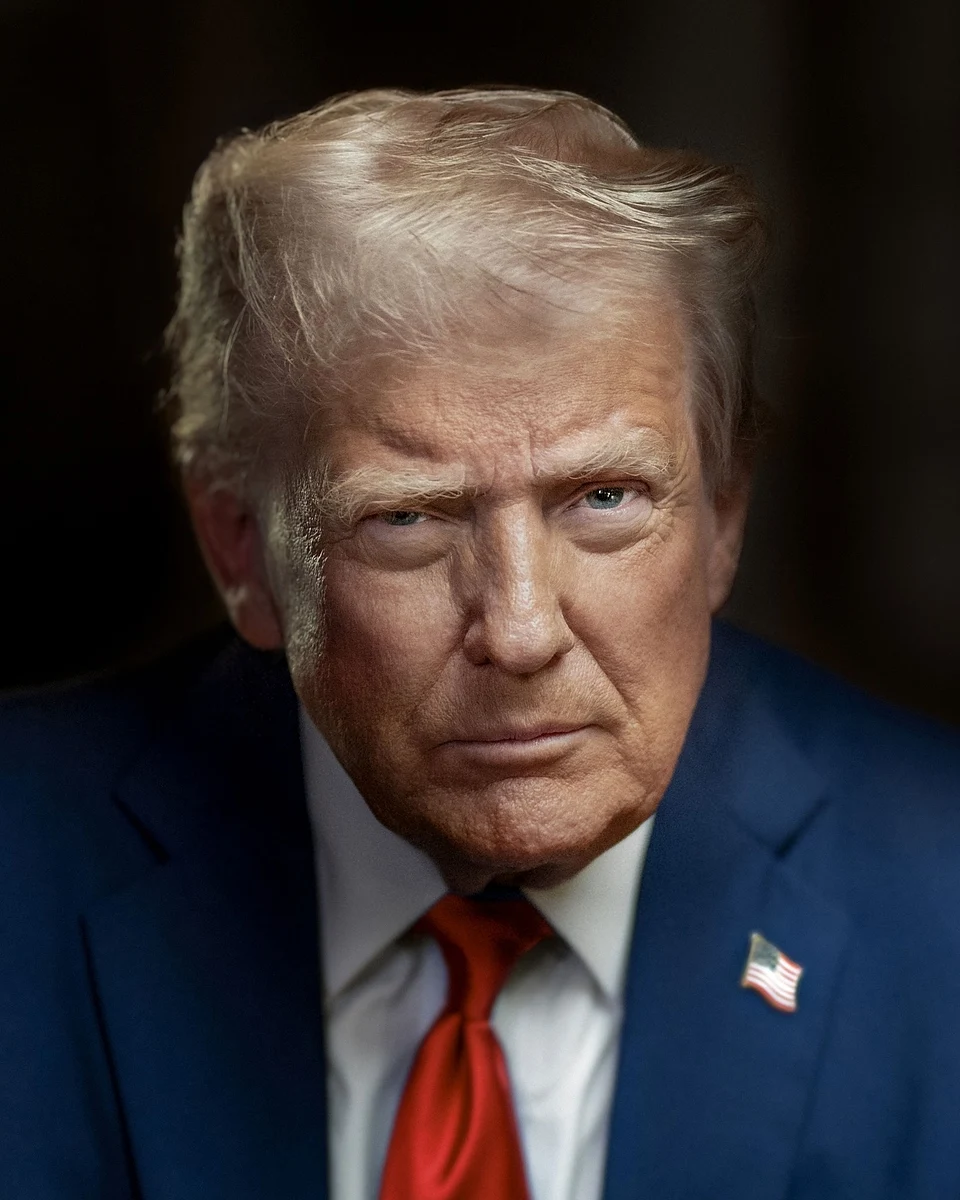
Donald Trump’s political influence extends far beyond America’s borders. From Latin America to Europe and the Middle East, he has embraced leaders who share his nationalist politics. Recent elections, however, suggest that his support can also be a political liability. The results do not prove a worldwide rejection of Trumpism; they show that voters remain motivated by their own national interests.
Brazil Rejects the Bolsonaro Dynasty
On October 25, Brazilian President Luiz Inácio Lula da Silva secured reelection, defeating Flávio Bolsonaro, son of former President Jair Bolsonaro, Trump’s longtime ideological ally. Lula won approximately 51.8% of valid votes to Bolsonaro’s 48.2%. While Trump did not formally endorse Flávio as he had his father, Washington’s alignment with the Bolsonaro movement was unmistakable. U.S. pressure and tariffs became political issues that helped Lula cast himself as a defender of Brazil’s sovereignty.
Hungary and Serbia: The Limits of Endorsements
In April, Hungarian Prime Minister Viktor Orbán, one of Trump’s closest European allies, lost power after 16 years. Péter Magyar’s Tisza party won a commanding parliamentary victory despite Trump’s endorsement of Orbán. In Serbia, a student-led opposition movement defeated the ruling political forces of Aleksandar Vučić on October 25. Serbia’s election was driven chiefly by domestic concerns over corruption and accountability, not by Trump himself. Both results nevertheless expose the limits of foreign political friendships when voters demand change.
Palestine and the Politics of Moral Responsibility
The devastation in Gaza has added a moral dimension to these political divisions. Lula has sharply criticized Israel’s conduct and defended Palestinian rights, contrasting with Trump’s strong support for Israeli Prime Minister Benjamin Netanyahu. Human-rights organizations and a United Nations investigative commission have described Israel’s actions in Gaza as genocide; Israel disputes that characterization. Palestine cannot reasonably be credited as the decisive factor in every election. But it has forced political leaders and voters to reconsider the relationship between foreign policy, human rights and national independence.
Israel: No Guaranteed Majority
In Israel’s October 27 parliamentary election, Netanyahu’s Likud emerged as the largest party, but preliminary counts left his right-wing bloc short of the 61 seats needed to govern alone. An unusually strong showing by Arab-led parties complicated coalition arithmetic. Trump’s backing has not guaranteed Netanyahu a governing majority, though he remains positioned to negotiate for one. The final coalition outcome is still unresolved.
Colombia Complicates the Story
Trump’s influence has not disappeared. Colombia’s June presidential runoff produced a narrow victory for conservative Abelardo de la Espriella over left-wing Iván Cepeda. De la Espriella, inaugurated in August, has moved toward closer ties with Washington and Israel. The result shows that Trump-aligned politics can still win, particularly where voters prioritize security, ideological change or dissatisfaction with the incumbent government.
The Larger Lesson
Elections in Brazil, Hungary and Serbia reveal resistance to leaders associated with Trump; Colombia demonstrates the enduring appeal of a competing political vision. Israel remains undecided. These outcomes should not be forced into a simplistic referendum on one American president. Yet they point toward an unmistakable democratic principle: international endorsements cannot erase domestic grievances, and foreign influence cannot substitute for public consent. Palestine adds to the pressure by making the moral consequences of political alliances impossible to ignore. Influence may cross borders, but legitimacy must still be earned at home.
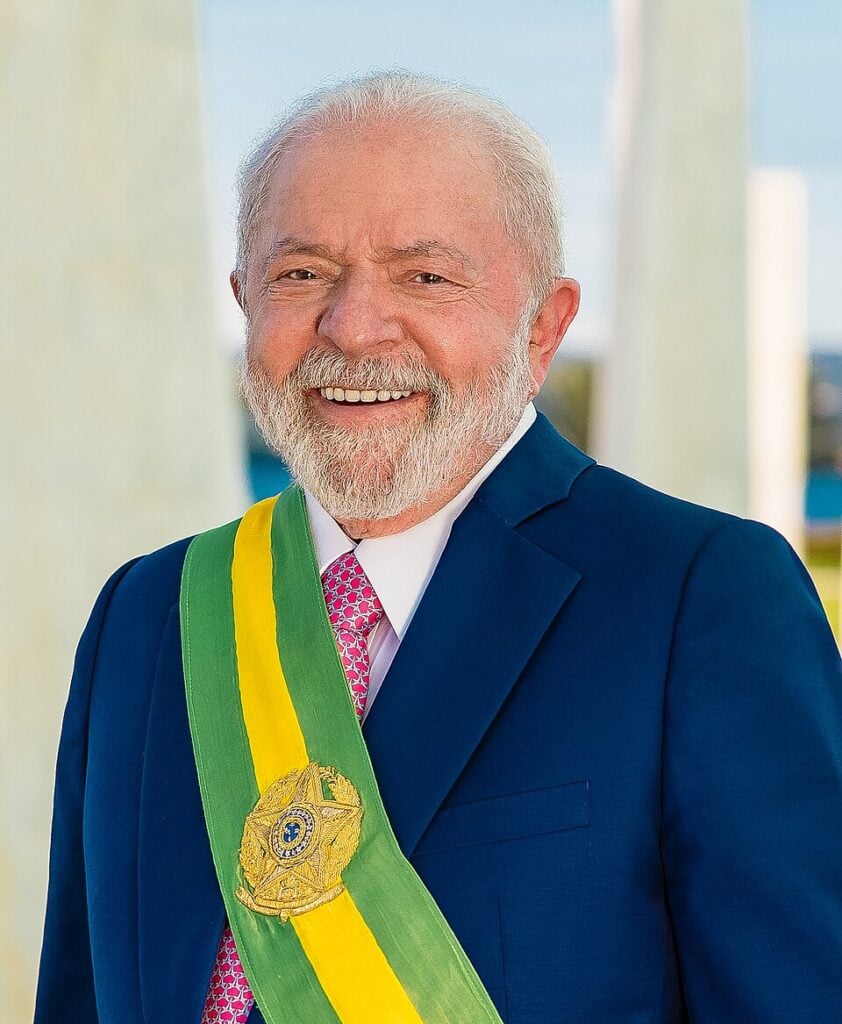

Foto: Isac Nóbrega/PR


SOURCE NOTES (for editorial verification; not part of article word count)
Brazil: Agência Brasil and Brazil’s Chamber of Deputies, October 25–26, 2026.
Hungary: UK House of Commons Library, April 2026 election report.
Serbia: Reuters, October 25–26, 2026.
Israel: Reuters, October 28, 2026; coalition negotiations pending.
Colombia: Colombia National Electoral Council results, June 2026.