
Historic former UAW building symbolizes community ownership, reinvestment, and organizational perseverance
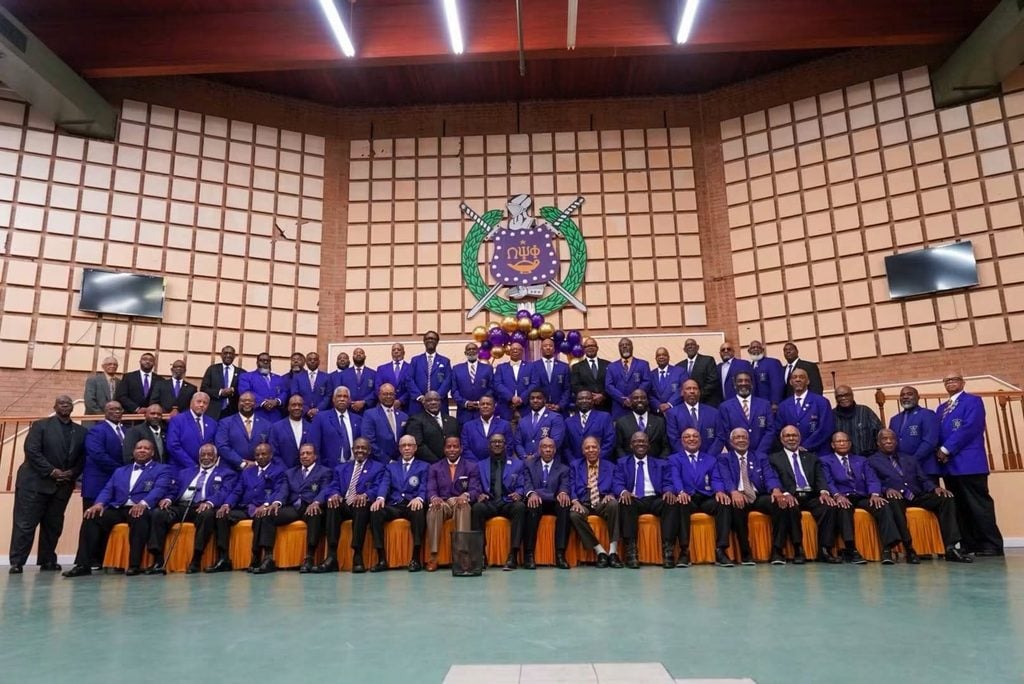
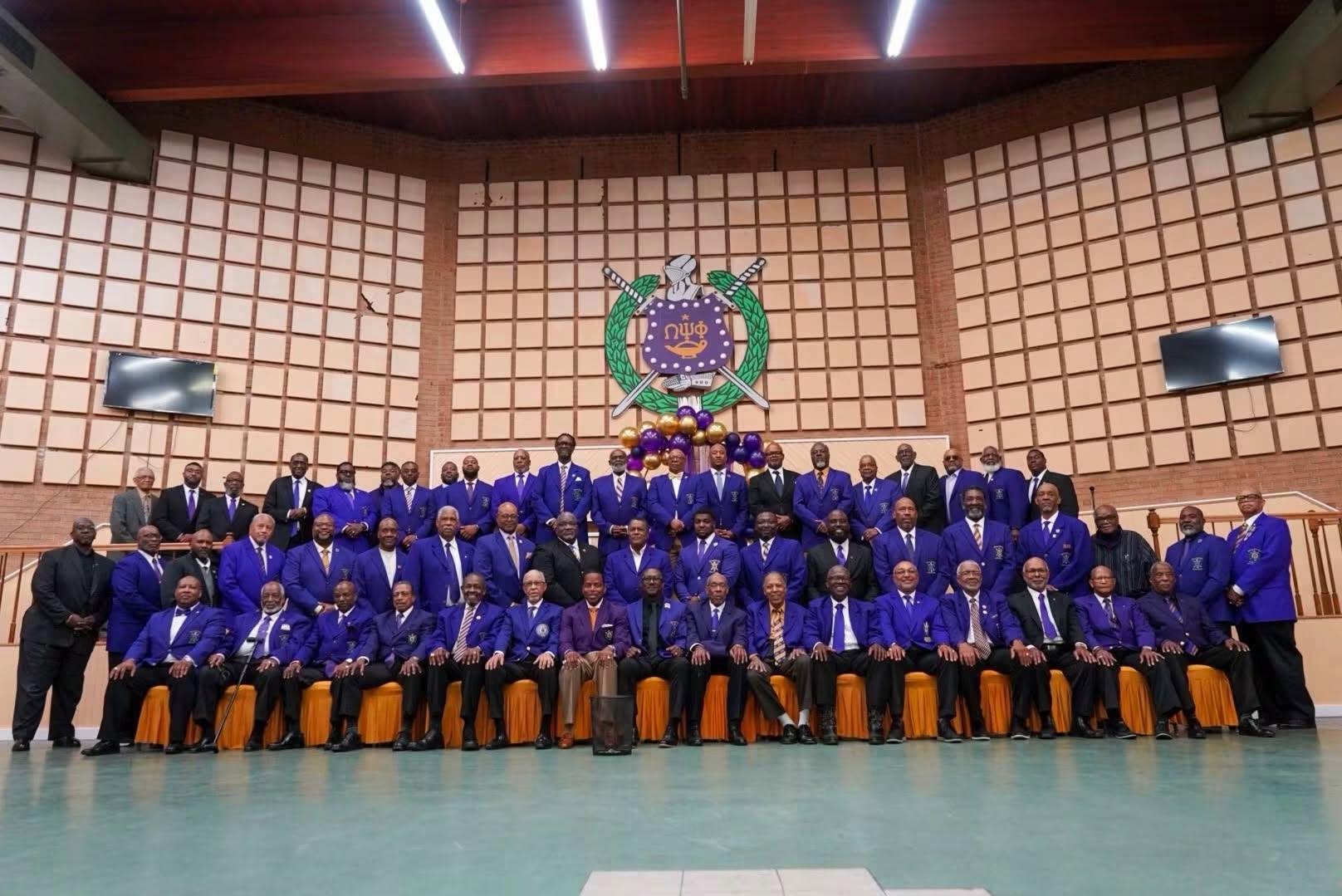
ST. LOUIS — The Upsilon Omega Foundation marked a significant milestone Saturday with a ribbon-cutting ceremony celebrating the renovation of its Omega Center, the retirement of the building’s mortgage, and the generosity of donors who helped make the achievement possible.
The building, formerly home to the United Auto Workers (UAW), carries historical significance as a place associated with organized labor, worker advocacy, and collective action. The UAW’s presence represents an important chapter in St. Louis’s industrial and labor history, when union organizations helped working families pursue economic security, workplace protections, and greater opportunity.
Its transformation into a community center reflects a continuation of that spirit of collective empowerment.
For North St. Louis, where decades of disinvestment have challenged neighborhood stability, the preservation and revitalization of existing buildings represent more than physical improvements. They demonstrate the importance of maintaining community institutions, creating neighborhood anchors, and keeping valuable assets under local stewardship.
The Upsilon Omega Foundation, which has served St. Louis for more than four decades, also celebrated receiving a significant city grant. Alderwoman Pamela Boyd joined community leaders in recognizing the achievement and its potential economic impact.
Looking ahead, the foundation plans to expand its neighborhood engagement through voter registration initiatives, tax assistance, and a farmers market.
The accomplishment offers an important lesson for churches, fraternities, nonprofits, and other community-based organizations: sustainable progress requires long-term planning, disciplined financial management, committed membership, and collective investment.
By eliminating its mortgage and reinvesting in its facility, the foundation has demonstrated how organizational unity can transform a historic property into a lasting community asset.
The Omega Center now stands as an example of what can happen when organizations move beyond simply occupying space toward building ownership, institutional stability, and generational community wealth.