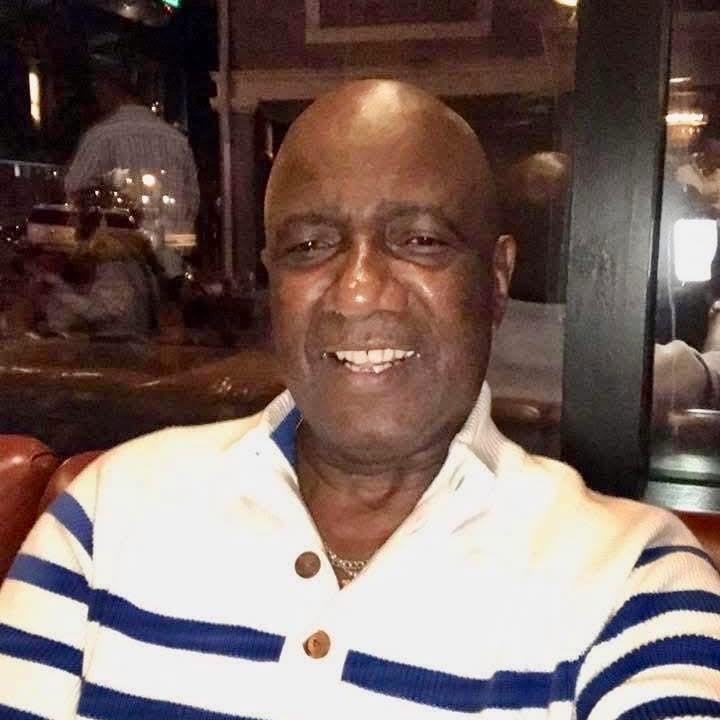

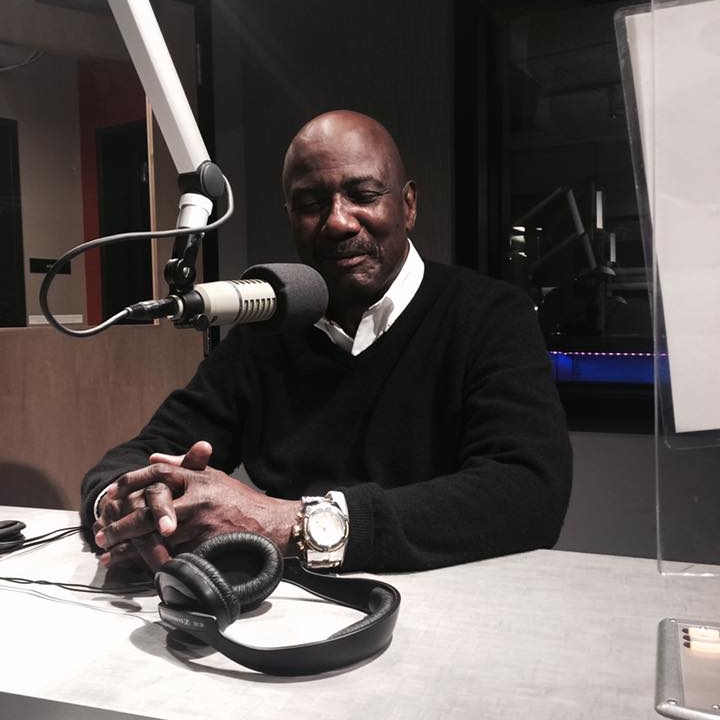
Remembering longtime radio personality Hank Thompson
By TD El-Amin, Argus Publisher
There are voices that inform you, voices that challenge you, and voices that stay with you long after the radio is turned off. For Black St. Louis, Hank Thompson was all three. His passing on Dec. 8 closed a chapter that stretched across decades of civic debate, cultural affirmation, and unapologetic Black commentary.
I came to know Hank not just as a listener, but as a collaborator. We worked on several political campaigns together, often from different angles but with the same goal: helping our community better understand the terrain it was navigating. Hank served as a consultant on many of those efforts, and what he brought was more than strategy. He brought context. He carried history in his voice and experience in his counsel, offering insight that only comes from having seen cycles repeat themselves—sometimes with new names, but familiar patterns.
Hank was always positive, even when the political landscape was anything but. That optimism wasn’t naïve; it was rooted. He understood power, messaging, and the stakes for Black communities in St. Louis, and he was always willing to lend perspective—whether you agreed with him or not. And you always knew it was Hank. His voice was distinctive, unmistakable, and carried a warmth that made hard conversations feel necessary rather than abrasive.
Born in 1945 and raised in St. Louis, Hank’s path reflected both discipline and curiosity. He attended Vashon High School, studied at Northeast Missouri State University, later continuing his education at UMSL and Saint Louis University. He served in the U.S. Air Force, including extended time overseas, experiences that broadened his worldview and sharpened his understanding of global and local power.
When Hank entered radio in the early 1980s, he didn’t just find a career—he found a calling. From his early work at Magic 108 FM to co-founding what became St. Louis’ first minority-owned advertising agency, he consistently pushed for Black ownership, Black voices, and Black media. His radio programs—whether music-driven, political, or conversational—were always anchored in the belief that information was a form of empowerment.
Hank’s presence during the late 1980s and 1990s helped define an era of Black radio that was fearless, opinionated, and community-centered. He moved seamlessly between media and politics, writing, broadcasting, consulting, and later producing television and podcast content. Even in later years, through projects like Tangazo, he remained committed to creating space for ideas meant to improve the human condition.
Hank was not always easy. He challenged people. He called things as he saw them. And that, too, was part of his value. In a city that often struggles with uncomfortable truths, Hank refused to soften his voice for comfort.
Black St. Louis is better because Hank Thompson spoke. And it is quieter now that he is gone.