
Talibdin “TD” El-Amin, Publisher
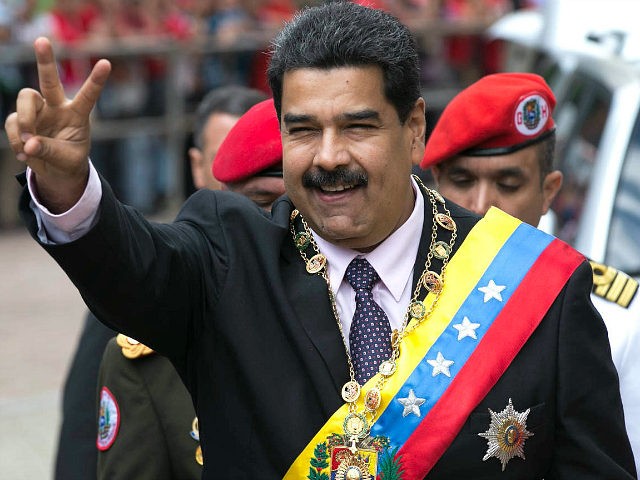
Once again, the familiar drumbeat of “regime change” is echoing out of Washington—this time aimed at Venezuela. The rhetoric is well rehearsed: democracy, rule of law, narco-terrorism, humanitarian concern. But beneath the language lies a reality that history has repeatedly exposed. This has little to do with international law or democratic principles, and everything to do with power, resources, and geopolitical alignment.
The latest move to criminally target Venezuelan President Nicolás Maduro, including branding him a narco-terrorist, is being sold as a moral stand. Yet the hypocrisy is impossible to ignore. The United States recently pardoned a former Honduran president convicted in U.S. courts for trafficking hundreds of kilograms of cocaine into this country. Apparently, drug trafficking is unforgivable when committed by leaders who defy U.S. interests—but negotiable when committed by allies who fall in line.
This is not new. The playbook looks eerily similar to the road to the Iraq invasion: allegations, media repetition, selective intelligence, and the moral framing of force as necessity. We were told Iraq possessed weapons of mass destruction. That lie destroyed a nation, killed hundreds of thousands, destabilized an entire region, and left the United States with blood on its credibility. Now Venezuela, a country rich in oil and gold, finds itself in the crosshairs of the same logic—resource conquest masked as liberation.
Congress, meanwhile, appears content to abdicate its constitutional role. The War Powers Act was designed to prevent unilateral executive military action, requiring congressional authorization before prolonged hostilities. Yet time and again, Congress looks the other way as administrations escalate sanctions, covert operations, and military posturing without meaningful debate or consent. This erosion of checks and balances has normalized perpetual war by executive fiat.
The targeting of Venezuela also exposes the selective morality of American foreign policy. Countries that resist U.S. economic or geopolitical dominance are labeled rogue states, while allies committing egregious human rights violations are shielded or funded. Venezuela’s refusal to align with U.S. positions—particularly its opposition to Israel’s occupation of Palestinian lands—places it firmly on Washington’s “problem list.” Independence, it seems, is the real crime.
While policymakers obsess over Venezuela, the world is burning elsewhere. Millions suffer under occupation, starvation, and violence in Gaza, Sudan, and the Democratic Republic of the Congo. These crises receive rhetorical sympathy but little sustained action, because they do not threaten U.S. strategic dominance in the same way. At home, millions of Americans face economic precarity, stagnant wages, and a hollowed-out healthcare system where premiums skyrocket while access shrinks. The idea that Washington’s priority should be destabilizing Venezuela borders on obscene.
Oil remains central to the calculation. Venezuela holds the largest proven oil reserves in the world. Control—or at least compliance—would reshape energy markets and geopolitical leverage. Regime change is rarely about values; it is about access. And history shows that the aftermath is almost always worse than the status quo: failed states, refugee crises, terrorism, and long-term instability that ultimately rebound against U.S. interests.
There are also global consequences to consider. Any strike or aggressive escalation against Venezuela risks provoking responses from Russia and China, both of which have strategic and economic ties to Caracas. What begins as “limited action” could spiral into a broader confrontation in an already volatile international environment.
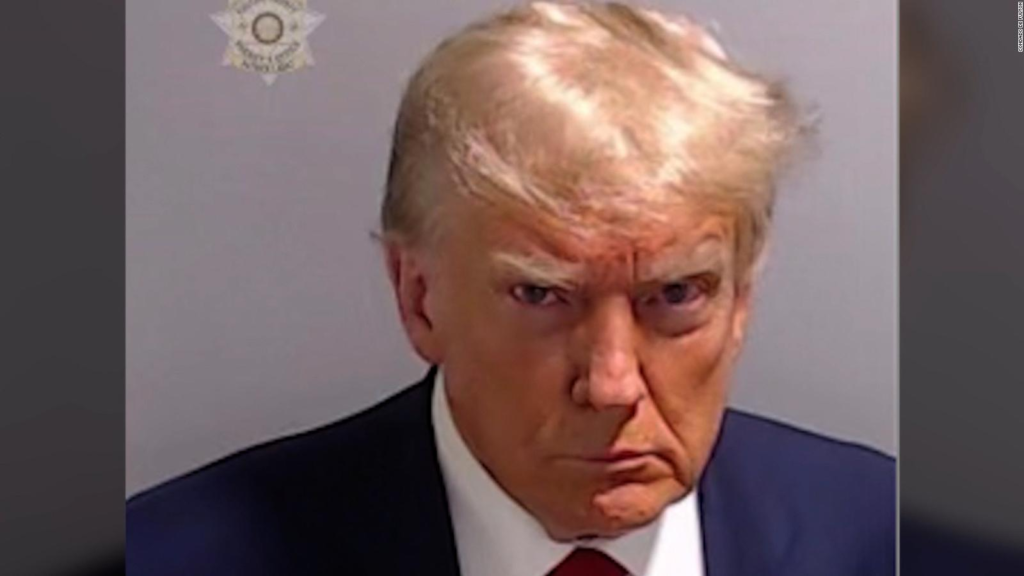
Domestically, the timing is suspect. With President Donald Trump and Republicans facing damaging polling numbers, renewed scrutiny over governance failures, and fresh attention on the unresolved Epstein files, foreign confrontation offers a familiar distraction. Nothing unites a fractured political base like an external enemy.
Regime change has not strengthened American democracy or security. It has weakened international norms, eroded trust, and stained the country’s standing in the world. Venezuela is not a threat to the United States. But another reckless intervention, justified by hypocrisy and historical amnesia, threatens to repeat a cycle that has already cost too much.
Here we go again—Regime Change 2.0. And once again, the consequences are likely to be paid not by policymakers, but by ordinary people, at home and abroad.