

Argus Staff
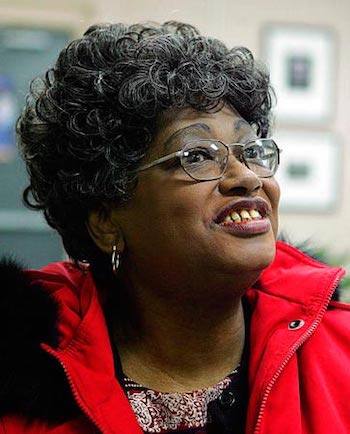
Pic courtesy of African-American registry
Claudette Colvin, a quiet but courageous figure whose defiance of segregation helped ignite the modern civil rights movement, has died at age 86. Her passing was confirmed this week by the Claudette Colvin Legacy Foundation, which said she died of natural causes in Texas.
Long before the name of Rosa Parks became synonymous with the Montgomery Bus Boycott, Colvin — then just 15 years old — made a decision that would ripple through American history. On March 2, 1955, the Montgomery, Alabama, high school student refused to surrender her seat to a white passenger on a segregated city bus. Her arrest came at a time when frustration among Black residents was intensifying over daily indignities imposed by Jim Crow laws.
Colvin’s act of resistance occurred nine months before Parks’ arrest and reflected the growing resolve of young people who were learning about constitutional rights and American democracy even as those promises were denied to them. Though less recognized at the time, Colvin’s refusal was neither accidental nor impulsive. It was rooted in a clear understanding of injustice and a belief that the law, not fear, should govern public life.
While Parks’ arrest later became the galvanizing moment that launched the yearlong Montgomery Bus Boycott and elevated Martin Luther King Jr. onto the national stage, Colvin’s contribution proved just as consequential in the courts. She became one of four plaintiffs in Browder v. Gayle, the federal lawsuit that ultimately struck down bus segregation in Montgomery and across Alabama. The case delivered the legal victory that the boycott demanded.
Despite her role, Colvin did not receive the public acclaim afforded to others. Her youth, personal circumstances, and the strategic decisions of movement leaders contributed to her relative anonymity. Yet historians and civil rights scholars have increasingly emphasized that movements are rarely built on single moments or singular figures, but on the collective courage of many — especially those whose actions come early, before the spotlight arrives.
In 2021, decades after her arrest, Colvin successfully petitioned to have her juvenile record expunged, closing a long chapter of unfinished justice. The decision carried symbolic weight, offering recognition not only to Colvin but to countless others whose sacrifices were essential but uncelebrated.
As the nation continues to revisit and reckon with its civil rights history, Claudette Colvin’s story stands as a reminder that transformative change often begins with the bravery of the young, the overlooked, and the uncompromising. Her legacy endures not only in history books and court rulings, but in the ongoing struggle to ensure that dignity and equal treatment are more than ideals — they are lived realities.

Reporting based on public records and national news coverage, including reporting by the Associated Press.

