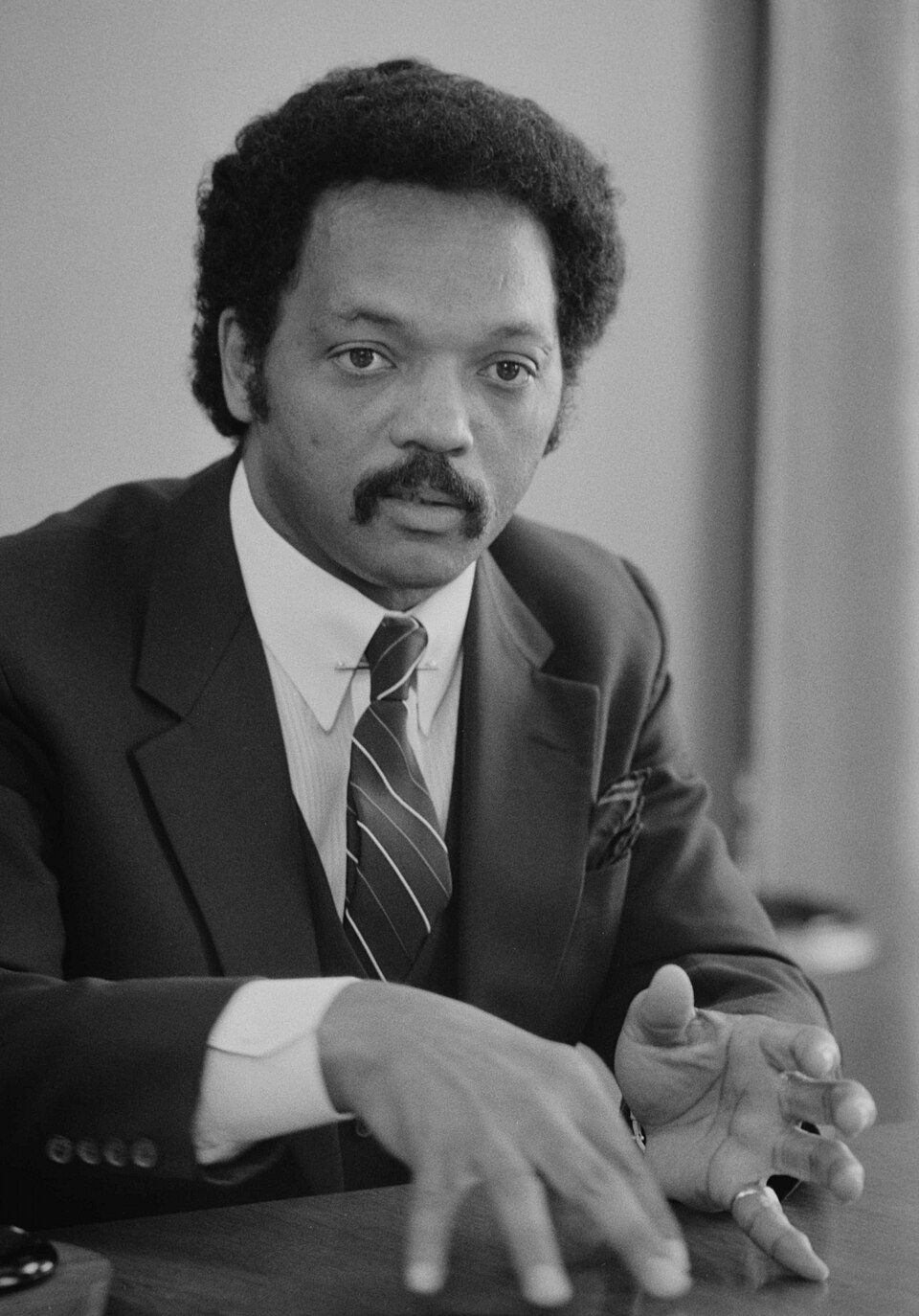

Rev. Jesse L. Jackson Sr., Civil Rights Trailblazer and Architect of the Rainbow Coalition, Dies
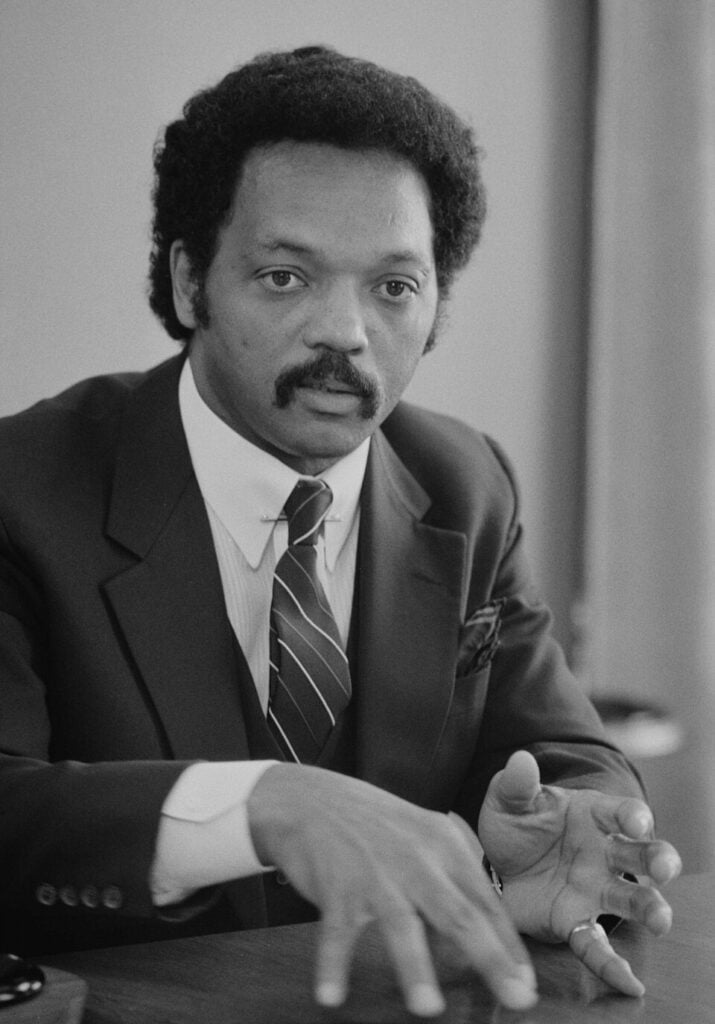
The Rev. Jesse Louis Jackson Sr., one of the most influential civil rights leaders of the modern era, has died, according to confirmation provided early this morning by Mary Datcher, spokesperson for the Rainbow PUSH Coalition, confirmed in a statement shared with the St. Louis Argus at 4:14 a.m. this morning.
Jackson, 83, had been under medical observation in recent months as he battled progressive supranuclear palsy (PSP), a rare neurological disorder. In an earlier public statement, Rainbow PUSH acknowledged his health challenges while expressing gratitude for decades of leadership and service.
Born October 8, 1941, in Greenville, South Carolina, during the height of Jim Crow segregation, Jackson rose from humble beginnings to become a towering national figure. The son of a teenage mother, Helen Burns, and adopted by Charles Jackson, he often spoke candidly about the challenges of growing up in the segregated South. Those early experiences shaped a life committed to justice, dignity, and political empowerment.
Jackson first gained national prominence in the 1960s as a close associate of the Rev. Dr. Martin Luther King Jr. He was active in the Southern Christian Leadership Conference and emerged as a visible voice following King’s assassination in 1968. In the years that followed, he founded Operation PUSH (People United to Save Humanity), which later became Rainbow PUSH Coalition — an organization dedicated to economic empowerment, education access, and civil rights advocacy.
In 1988, during his second historic presidential campaign, Jackson stood before supporters in Hazard, Kentucky, and spoke directly to working-class Americans about economic fairness and shared struggle. That moment underscored his unique ability to connect across racial and regional lines — a hallmark of his political strategy.
Jackson’s two campaigns for the Democratic presidential nomination in 1984 and 1988 transformed American politics. He built what he called the “Rainbow Coalition,” a multiracial alliance of Black, White, Latino, Asian American, Native American, labor, and LGBTQ communities. His message challenged the Democratic Party to broaden its base beyond traditional constituencies and embrace a multicultural future.
Political analysts have long credited Jackson with reshaping the party’s primary process. His advocacy helped push the Democratic Party toward a proportional delegate system, creating more equitable representation for diverse candidates. Those reforms would later prove pivotal in national elections.
Jackson was known for his oratory — rhythmic, urgent, rooted in the Black church tradition. His signature call, “Keep hope alive,” became both a rallying cry and political philosophy. He also popularized the affirmation “I Am Somebody,” encouraging generations to reject internalized inferiority and claim personal dignity.
Beyond electoral politics, Jackson engaged in international diplomacy. In the 1980s and 1990s, he successfully negotiated the release of American hostages and political prisoners abroad, including U.S. service members detained overseas. In 2000, he received the Presidential Medal of Freedom, the nation’s highest civilian honor.
His life was not without controversy. Critics challenged aspects of his rhetoric and personal decisions. Yet even detractors acknowledged his singular impact on American public life.
Jackson leaves behind his wife of more than six decades, Jacqueline Lavinia Brown Jackson, their children, grandchildren, and a movement shaped by his relentless drive.
From the segregated South to the national stage, Jesse Jackson bridged eras — from Jim Crow to the civil rights movement to the election of America’s first Black president. His vision of a diverse democracy remains embedded in the nation’s political fabric.
As Rainbow PUSH noted in its release, his life’s work was rooted in faith, justice, and the enduring belief that hope must be carried forward — even in the face of doubt.