
When Faith Becomes a Bridge Rather Than a Weapon
By Talibdin El-Amin | The St. Louis ARGUS

America has never been a nation of one people, one tradition or one faith. Its greatest promise rests in something far more profound: that a vast land of differing races, religions and cultures can find common purpose without surrendering their identities.
The recent Democratic electoral victories offer more than a repudiation of the politics of fear, resentment and division. They offer an opportunity to reconsider what moral leadership might look like when faith is liberated from partisan manipulation.
For too long, religion has been conscripted into political theater, weaponized to determine who belongs, whose humanity matters and whose rights deserve protection. Faith, which should summon humanity toward compassion and justice, has too often become an instrument of exclusion.
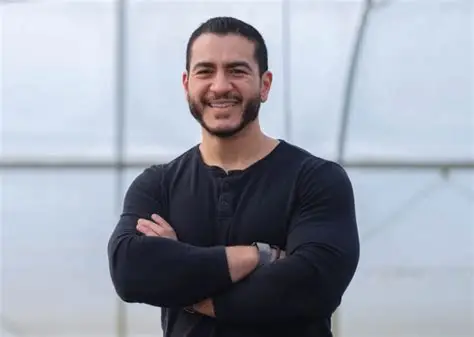
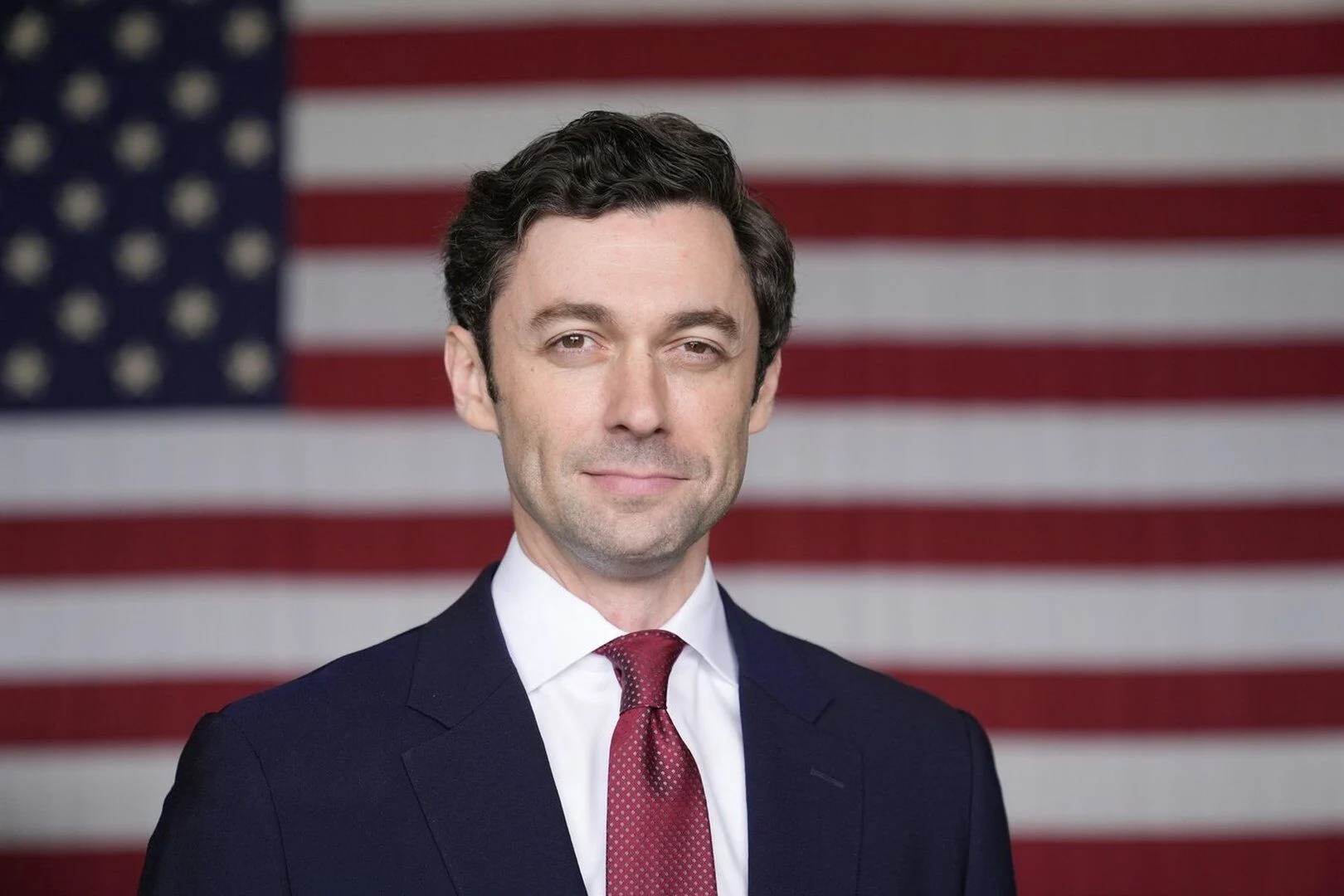
Yet consider the remarkable possibilities represented by three voices in the United States Senate: Georgia’s Jewish Senator Jon Ossoff, Texas’s Christian Senator-elect James Talarico and Michigan’s Muslim Senator-elect Abdul El-Sayed.
Three men. Three religious traditions. One shared responsibility to the American people.
Their presence presents an extraordinary opportunity: the creation of a Congressional Interfaith Caucus.
Congress already recognizes the value of organized caucuses representing shared interests, identities and legislative priorities. Why not establish one dedicated to the moral principles that transcend religious boundaries?
Imagine Jewish teachings on justice, Christian commandments of love and compassion, and Islamic obligations of mercy and equity informing a collective commitment to human dignity.
Not a caucus imposing religious doctrine upon a secular republic, but one demonstrating that deeply held faith and constitutional pluralism are not adversaries.
Such a caucus could become a moral compass in debates over poverty, healthcare, immigration, war, religious liberty and the dignity of human life. It could confront antisemitism, Islamophobia and Christian nationalism without confusing criticism of political conduct with hostility toward religious belief.
It could also create space for people of other faiths—and those professing none—whose ethical commitments deserve equal respect.
The challenge would be substantial. Religious traditions differ, sometimes profoundly. But unity does not demand theological agreement. It requires mutual respect and the courage to defend another person’s humanity as faithfully as one’s own.
Perhaps the most powerful message would emerge when these senators disagree politically yet refuse to diminish one another spiritually.
America does not need another congressional institution claiming exclusive possession of God.
It needs leaders willing to recognize that no political party owns righteousness, no religion monopolizes compassion, and no citizen must surrender their conscience to belong.
The measure of faith in public life should not be how loudly we proclaim our beliefs, but how justly we treat those who do not share them.
An Interfaith Caucus could become more than another congressional coalition. It could become a torchbearer for a more righteous political discourse—one in which our differences illuminate the shared humanity that binds us.
Perhaps that is the higher calling this political moment demands.