

Why Clinical Trials Need Community—Not Just Participants
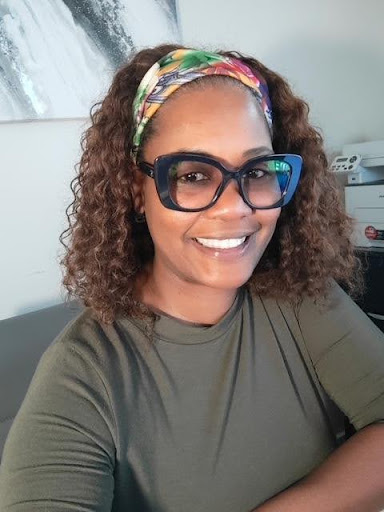
By Tiffany Bess, MS, DIT(c)
Founder & CEO, Clinical Trials Connection SE
When many people hear the words clinical trials, the reaction is often fear, confusion, or mistrust. For Black communities, rural communities, and historically underserved populations across Missouri and Tennessee, these feelings are deeply rooted in lived experience and historical exclusion. Yet clinical trials are how we discover new treatments, improve existing care, and ensure medical advances work for everyone—not just a few.
The challenge is not that communities are unwilling to participate. The challenge is that clinical research has historically struggled to earn and sustain trust.
From Recruitment to Relationship
For decades, research engagement has often been approached as a short-term effort—focused on recruitment rather than relationship. Researchers enter communities when a study begins and leave when it ends. Over time, this pattern reinforces skepticism and fatigue.
Trust grows differently. It grows when engagement exists before a study is ever proposed, when education is offered without expectation, and when communities are respected as partners rather than pipelines.
What Meaningful Engagement Looks Like
Meaningful engagement in clinical research centers on people, not protocols. It includes clear education about what clinical trials are and are not, honest conversations about risks and protections, and space for community voices to be heard.
Engagement also means acknowledging history, answering hard questions, and allowing trust to develop over time rather than rushing it for enrollment goals.
Why This Matters for Missouri and Tennessee
Missouri and Tennessee reflect both innovation and inequity in healthcare. World-class medical research exists alongside communities that remain disconnected from research opportunities that directly affect their health.
When communities are excluded from research, treatments may not fully reflect real-world needs, and health disparities persist. Inclusive engagement helps ensure research outcomes are relevant, ethical, and beneficial to the people they are meant to serve.
Looking Ahead
Clinical trials are not just about advancing science—they are about advancing trust. As conversations around health equity continue to grow, engagement must move beyond awareness into sustained presence, transparency, and accountability.
This column will continue to explore how trust, education, and community voice shape the future of clinical research in Missouri and Tennessee.
Author Bio
Tiffany Bess, MA, DIT(c), is the Founder and CEO of Clinical Trials Connection SE, a community-based organization focused on clinical trials awareness, education, and research readiness for Black, rural, and underserved communities. She has over 10 years of experience in clinical research operations and is currently pursuing a Doctor of Information Technology. She is a proud member of Sigma Gamma Rho Sorority, Inc., and believes in leading through service.


This is incredible and long overdue. I’m excited to see how this progressive approach improves clinical research in varying communities!