
By Argus Staff Report
From New York to St. Louis: The Democratic Socialist Surge and What It Could Mean for Missouri’s First Congressional District
Argus Staff Report
A political trend that many in the Democratic establishment once dismissed as a fringe movement is rapidly becoming a force that can no longer be ignored.
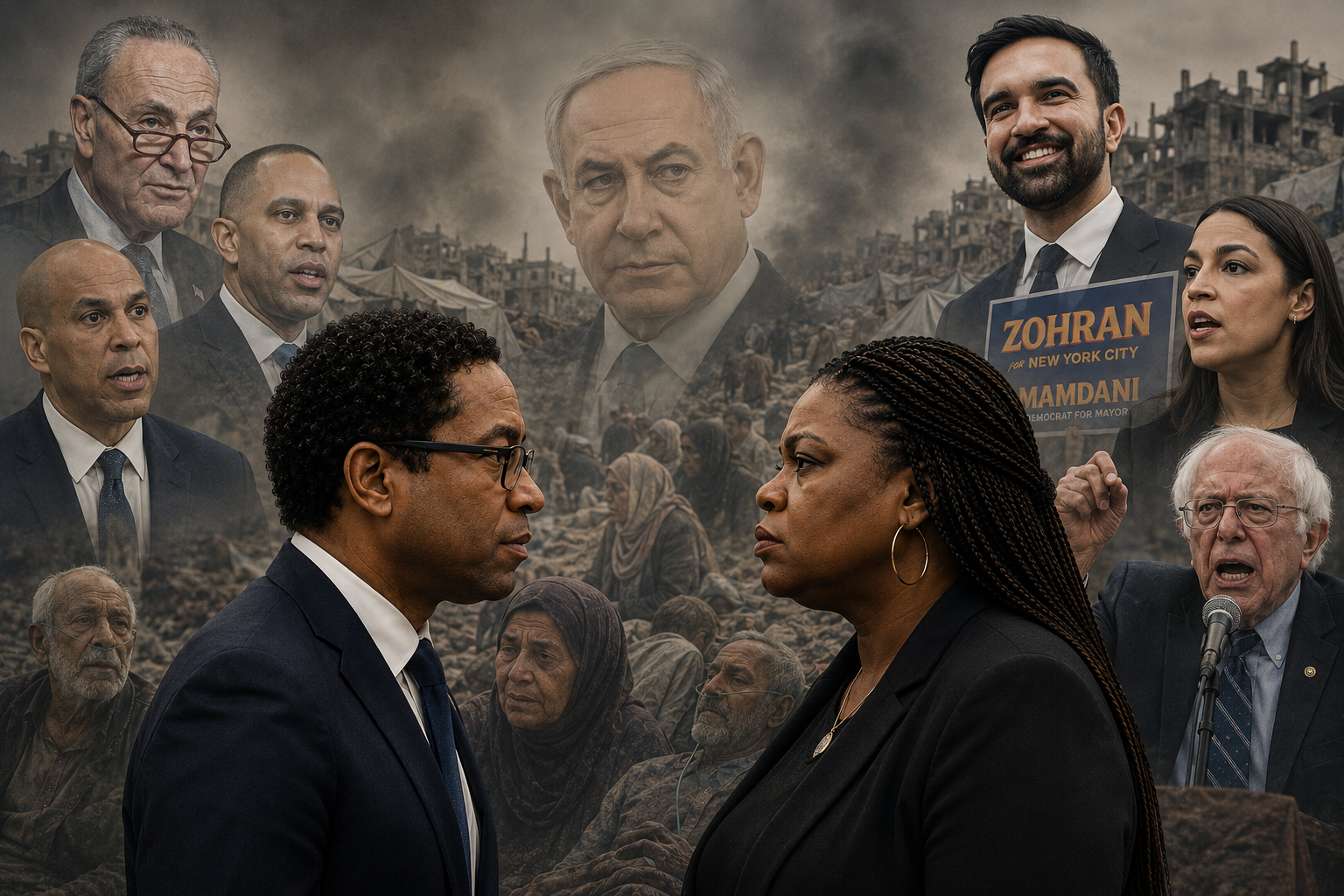
The rise of democratic socialist candidates, fueled by grassroots organizing, dissatisfaction with traditional party leadership, and growing opposition to America’s Middle East policy, is reshaping Democratic politics in some of the nation’s largest cities. The question now is whether that momentum will reach Missouri’s First Congressional District, where a rematch appears to be forming between incumbent Congressman Wesley Bell and former Congresswoman Cori Bush.
The latest evidence of the Democratic Socialist movement’s growing influence emerged in New York.
Following the election of New York Mayor Zohran Mamdani, a democratic socialist whose campaign energized younger voters and progressives, several candidates aligned with his political vision scored major victories in Democratic primaries. Candidates endorsed by Mamdani swept high-profile races, defeating candidates favored by Democratic leadership and establishment figures. Two sitting members of Congress lost their seats, while an open congressional seat was captured by a progressive challenger.
While the Democratic Socialist movement remains a minority faction nationally, its influence is expanding in major urban centers where younger voters, renters, labor activists, and communities frustrated by economic inequality increasingly dominate Democratic primaries.
Yet economic issues are only part of the story. For many progressive voters, the defining issue has become Gaza, Palestine, and America’s relationship with Israel.
Former Congresswoman Cori Bush emerged as one of the earliest and most vocal members of Congress calling for a ceasefire in Gaza. She repeatedly criticized Israeli military actions and argued that American foreign policy should place greater emphasis on Palestinian human rights.
In 2024, Bush lost her seat to Wesley Bell after one of the most expensive congressional primaries in the nation. Multiple reports estimated that pro-Israel organizations and affiliated political action committees spent millions supporting Bell and opposing Bush.
Bell has consistently expressed support for Israel and has maintained positions more closely aligned with mainstream Democratic leadership on foreign policy. Bush, meanwhile, remains closely associated with the progressive and democratic socialist wing of the party that has challenged traditional Democratic positions on Israel and Palestine.
That raises an increasingly important political question: If Democratic voters in places such as New York are moving leftward on economic issues, foreign policy, and Israel-Palestine, could that shift alter the political landscape in Missouri’s First District?
Conventional wisdom has long suggested that congressional races are determined primarily by local concerns—jobs, public safety, education, housing, and constituent services. While those issues remain central, recent elections suggest foreign policy is becoming a litmus test for many Democratic primary voters.
The war in Gaza transformed what was once considered a niche foreign-policy issue into a mainstream Democratic debate. Young voters, Black voters, Muslim voters, and progressive activists increasingly view American support for Israel through the lens of human rights and international law.
Since October 2023, the United States has approved or committed tens of billions of dollars in military, security, and related assistance connected to Israel and regional military operations. At the same time, Americans continue facing elevated costs for groceries, housing, utilities, and gasoline.
For Democratic Socialists and many progressive Democrats, these realities are politically connected. They argue that taxpayer resources devoted to military conflicts abroad could instead be invested in healthcare, education, affordable housing, infrastructure, and economic development at home.
The emerging debate may ultimately force Democratic leadership into difficult conversations.
Can the party continue its traditionally strong pro-Israel posture while a growing share of its base demands a more balanced Middle East policy?
Will Democratic leaders continue relying on AIPAC-supported candidates as progressive challengers gain momentum?
Could the positions once associated with “The Squad” become mainstream Democratic positions within the next decade?
What is clear is that the Democratic Socialist movement has moved from the margins toward the center of Democratic political debate. The victories in New York demonstrate that establishment endorsements, fundraising advantages, and institutional support no longer guarantee victory.
As Missouri’s First Congressional District moves toward what could become one of the nation’s most closely watched Democratic rematches, voters may find themselves deciding more than simply whether Wesley Bell or Cori Bush should represent St. Louis.
They may also be deciding which vision of the Democratic Party will shape its future.