
By Talibdin “TD” El-Amin | October 17, 2026
For years, Donald Trump, MAGA loyalists, and the extreme political right have waged a relentless campaign against Diversity, Equity, and Inclusion—DEI. Their argument? That DEI places unqualified minorities, women, and people with disabilities into positions they supposedly haven’t earned.
But an extraordinary irony has emerged.
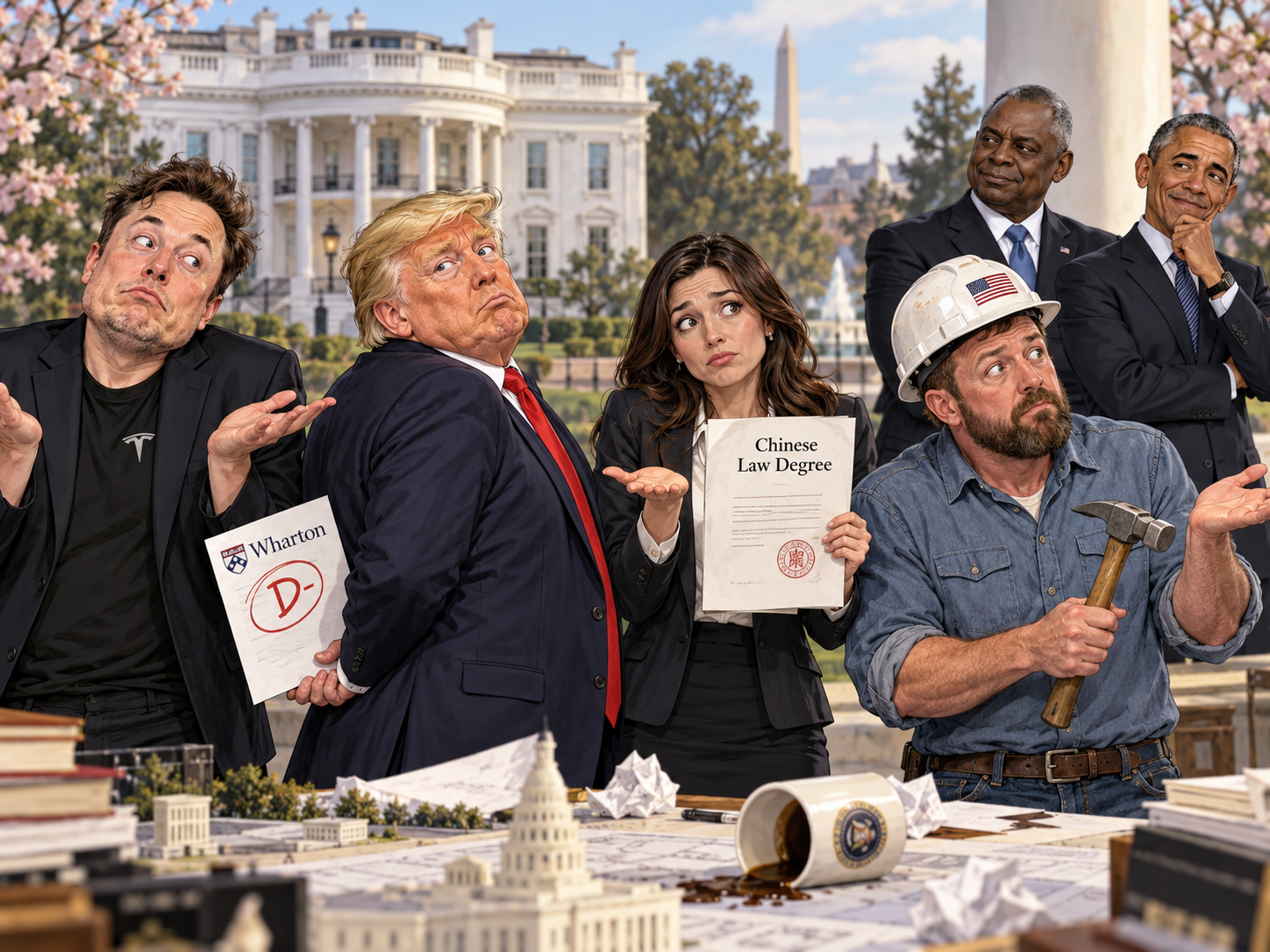
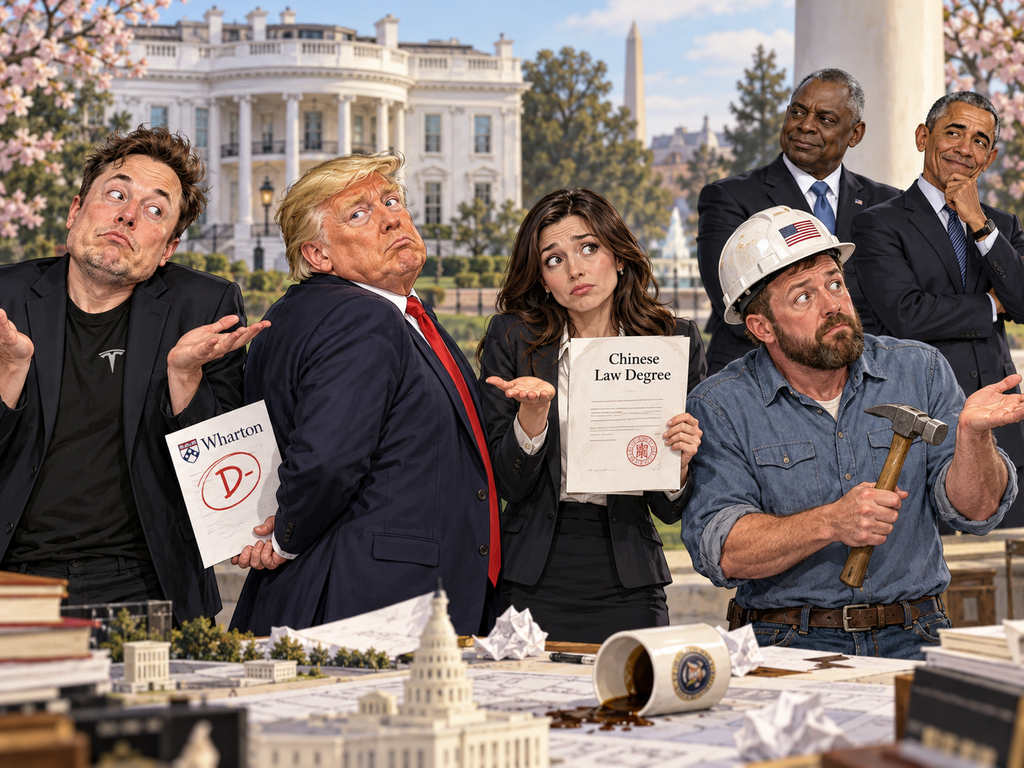
The Trump administration may have inadvertently made the strongest case for DEI by exposing something far more dangerous: WUI—White, Unqualified, and Incompetent.
WUI is not a condemnation of White Americans. It describes a troubling pattern in which political loyalty, personal relationships, and ideological obedience appear to outweigh professional competence, while qualified minorities are portrayed as undeserving beneficiaries of special treatment.
What DEI Actually Means
DEI stands for Diversity, Equity, and Inclusion.
Diversity recognizes the value of different backgrounds and experiences. Equity seeks to remove unnecessary barriers that prevent qualified people from competing fairly. Inclusion ensures meaningful participation and opportunity.
DEI was never supposed to mean hiring unqualified people because of their race. It means ensuring qualified people are not excluded because of it.
Race-based preferential treatment can itself violate federal employment law. Properly designed DEI initiatives expand access without abandoning merit.
Yet MAGA has transformed DEI into a convenient explanation for institutional failure, particularly when the individual under scrutiny is Black, female, or from another historically excluded community.
Now examine the administration’s own appointments.
The WUI Competency Gap
Consider Katie Zacharia, whose tenure as White House press secretary ended after approximately five days. Questions emerged about her claimed legal credentials after she acknowledged failing the bar examination. Her troubled debut and departure raised serious questions about White House vetting.
Apparently, rigorous credentials matter when criticizing DEI, but become negotiable when selecting political loyalists.
Then consider Defense Secretary Pete Hegseth, a former Fox News personality and National Guard officer with combat deployments.
His predecessor, General Lloyd Austin, brought 41 years of military service, extensive command experience, leadership of U.S. Central Command, and responsibility for major combat operations.
Hegseth’s military service deserves acknowledgment. But the difference in senior executive defense experience is undeniable.
At Homeland Security, Markwayne Mullin brought congressional service and business experience, but not a comparable background directing a vast national security bureaucracy.
Meanwhile, Robert F. Kennedy Jr., entrusted with America’s Department of Health and Human Services, possesses no medical or public-health degree. His predecessor, Xavier Becerra, was an attorney and former California attorney general—not a physician either, but experienced in healthcare law and government administration.
These distinctions matter.
Now look at global diplomacy.
Jared Kushner and Steve Witkoff, whose principal professional backgrounds are real estate and investment, have been entrusted with negotiations involving Russia, Ukraine, Iran, and the Middle East.
Business success does not automatically confer expertise in nuclear diplomacy, international law, military strategy, or regional history.
Yet experience appears increasingly secondary to proximity to the president.
The Attack on Intelligence
Perhaps this explains the broader hostility toward universities, scholars, research institutions, and professional expertise.
Fox News polling has documented growing Republican distrust of higher education. Legitimate criticism of expensive universities is one thing. Treating advanced knowledge itself as elitist or suspicious is quite another.
A dangerous political culture is emerging in which ignorance becomes authenticity, expertise becomes arrogance, and unquestioning loyalty becomes the supreme qualification.
The so-called common man deserves competent leadership—not politicians who exploit his frustrations while lowering the standards of government.
America cannot compete globally by celebrating the deliberate dumbing down of its institutions.
The Real Threat to Merit
For generations, exceptionally qualified Black professionals, women, and other excluded Americans had to demonstrate extraordinary competence merely to obtain ordinary consideration.
DEI sought to address those barriers.
Today, the loudest critics of supposedly unqualified DEI hires are defending appointments whose qualifications would invite intense scrutiny under any ordinary competitive selection process.
That is the hypocrisy.
The question was never whether every DEI program was perfect. The question was whether America would judge people fairly by their qualifications.
Competence has no racial identity. Incompetence has no racial monopoly.
But when political favoritism protects questionable appointments while diversity is blamed for declining standards, Americans should recognize the double standard.
DEI did not create America’s competency crisis. An administration that elevates loyalty above demonstrated ability risks deepening it.
And WUI, as a critique of privileged incompetence—not Whiteness itself—exposes the very problem DEI was intended to confront.
The St. Louis Argus | Series: Ramblings Of An Issuecrat