

By The St. Louis ARGUS Political Desk
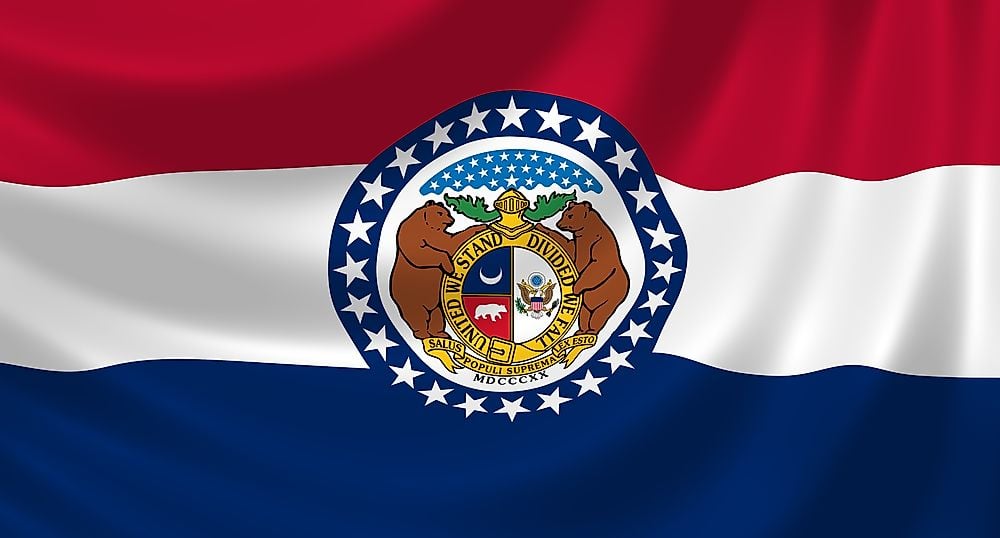
Missouri’s 2026 midterm elections delivered a substantial political shift, as Democrats captured 16 Republican-held state House seats, ended GOP legislative supermajorities and defeated seven-term Republican Congresswoman Ann Wagner. The results raise new questions about the future of Republican dominance in a state that has increasingly favored the GOP in statewide elections.
Although Republicans retained control of both legislative chambers, Democrats won 68 of Missouri’s 163 House seats, leaving Republicans with 95. Democrats also captured two state Senate seats, eliminating the Republican two-thirds majority in that chamber.
The changes mean Republicans can no longer override gubernatorial vetoes or approve most emergency legislation without Democratic support.
Auditor’s Race Signals Changing Margins
Republican State Auditor Scott Fitzpatrick secured reelection against Democrat Quentin Wilson, but his approximately three-point victory contrasted sharply with his nearly 22-point margin in 2022.
The narrower result suggests greater statewide competitiveness, although Republicans continue to hold every statewide elected office.
Wellman Defeats Wagner; Congressional Map Shifts
Democrat Fred Wellman’s defeat of Ann Wagner in Missouri’s 2nd Congressional District was among the election’s most consequential outcomes.
Wellman carried St. Louis County by approximately 14 percentage points and reduced Wagner’s advantage in St. Charles County.
His victory changes Missouri’s congressional delegation from six Republicans and two Democrats to five Republicans and three Democrats.
The outcome is especially significant given earlier Republican efforts to redraw Missouri’s congressional boundaries to potentially produce a 7–1 GOP advantage.
Voters rejected that proposed map through Proposition A, approximately 62% to 38%.
Amendment 3 Defeated; Amendment 6 Approved
Two controversial statewide constitutional amendments also produced significant results, including among St. Louis-area voters.
Missourians rejected Amendment 3, which sought to repeal abortion protections approved in 2024, restore restrictions on most abortions and prohibit gender-affirming medical care for minors. The proposal received approximately 44% support.
Meanwhile, Amendment 6 passed with roughly 60% approval. It establishes stronger protections for voter-approved initiatives by requiring extraordinary legislative majorities and another statewide vote before lawmakers can reverse certain decisions made directly by voters.
Together, the outcomes demonstrate continued public resistance to legislative efforts to reverse voter-approved policies.
Could Missouri Become Competitive Again?
Democratic gains inevitably raise questions about future statewide contests, particularly the U.S. Senate seats held by Republicans Josh Hawley and Eric Schmitt.
Schmitt faces reelection in 2028, while Hawley’s next election is scheduled for 2030.
For Democrats, the 2026 results offer evidence that competitive campaigns can succeed beyond traditional urban strongholds, particularly in suburban communities.
Nevertheless, defeating incumbent senators would require sustained statewide organization, fundraising and voter participation across Missouri’s urban, suburban and rural regions.
The larger question is whether 2026 represents a temporary national political reaction or the beginning of a more durable change in Missouri’s electorate.
For now, one conclusion is clear: Missouri Republicans retain power, but their once-overwhelming legislative advantage has been substantially reduced.

