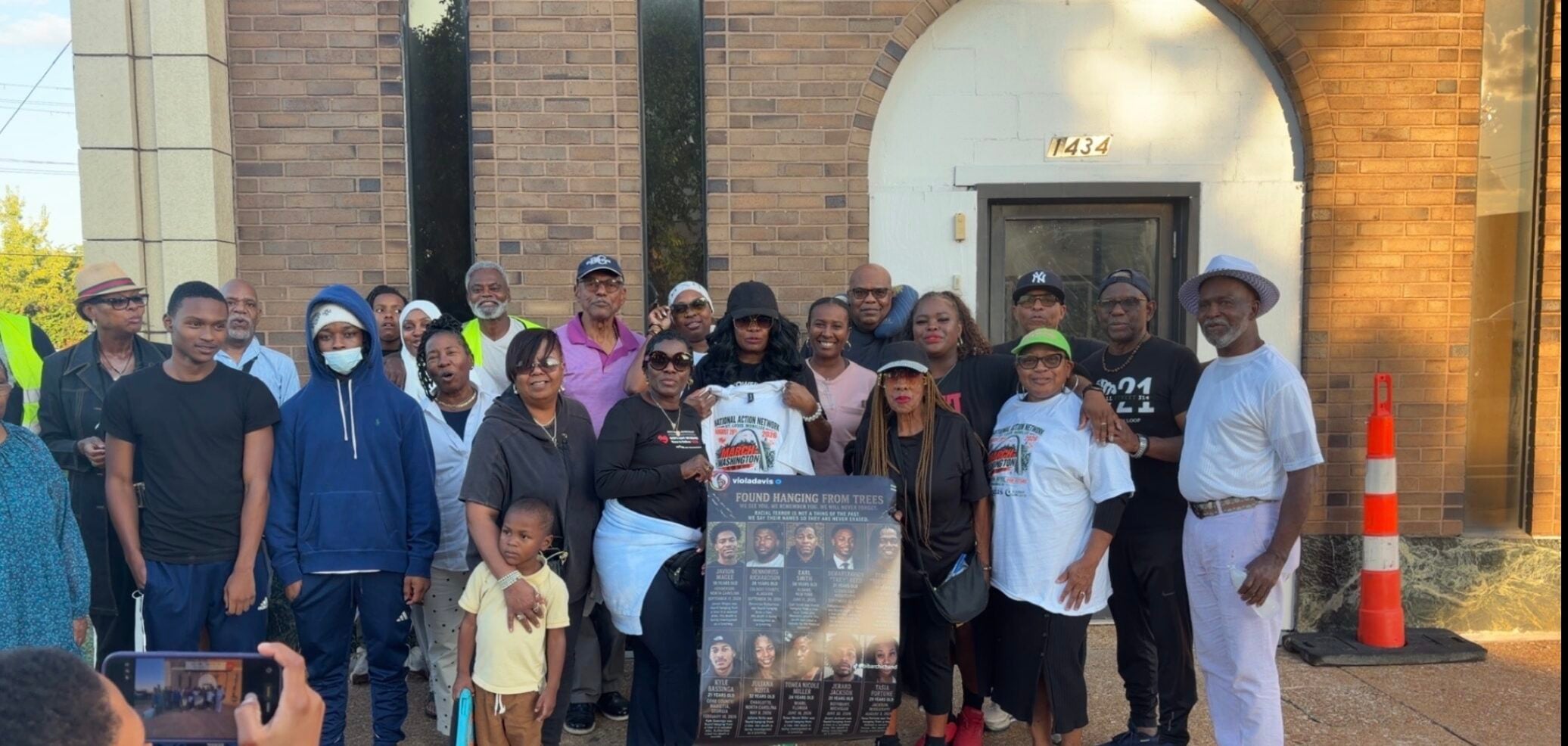

More than 100 local supporters answered the call, but poor communication left children, seniors and volunteers stranded
By St. Louis Argus Staff
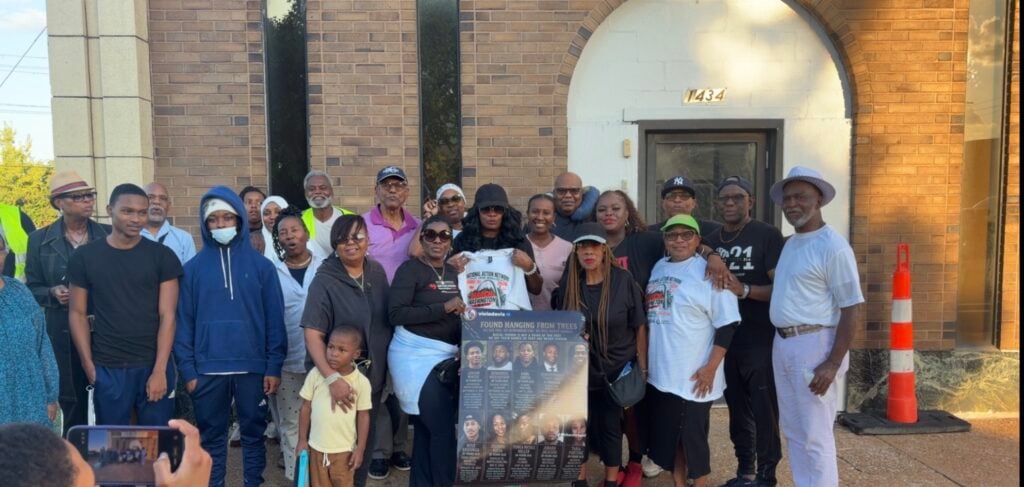
ST. LOUIS — While thousands gathered at the Lincoln Memorial Friday for the 63rd anniversary of the historic March on Washington, dozens of St. Louis-area volunteers who had prepared to join them were left waiting after promised chartered buses failed to arrive.
The St. Louis Argus was among the sponsors and supporters of the local St. Louis Mobilization effort, which secured commitments from more than 100 people. Volunteers included children, senior citizens, families, clergy members and community activists who rearranged schedules, purchased supplies and prepared for an overnight trip to Washington, D.C.
Some arrived with bags packed, food prepared and children in tow. Others had taken time away from work or family responsibilities. The buses never appeared.
Local organizers received no meaningful communication before the scheduled departure explaining that transportation had been delayed or canceled. There was also no timely explanation after the no-show, leaving organizers without answers for those who had gathered under their organizational charge.
The failure was more than a transportation problem. It represented a breach of trust.
People sacrificed time, money and resources because they believed they were responding to a legitimate national call to action. When volunteers—particularly children and elderly participants—are left waiting without information, the damage reaches beyond one missed event. It makes people less willing to participate in future civic efforts and damages the credibility of every local organization that lent its name and reputation to the mobilization.
Thousands March in Washington
The national “March on Washington 2026: Defend the Vote” proceeded in Washington on August 28, marking 63 years since more than 250,000 people assembled for the 1963 March on Washington for Jobs and Freedom.
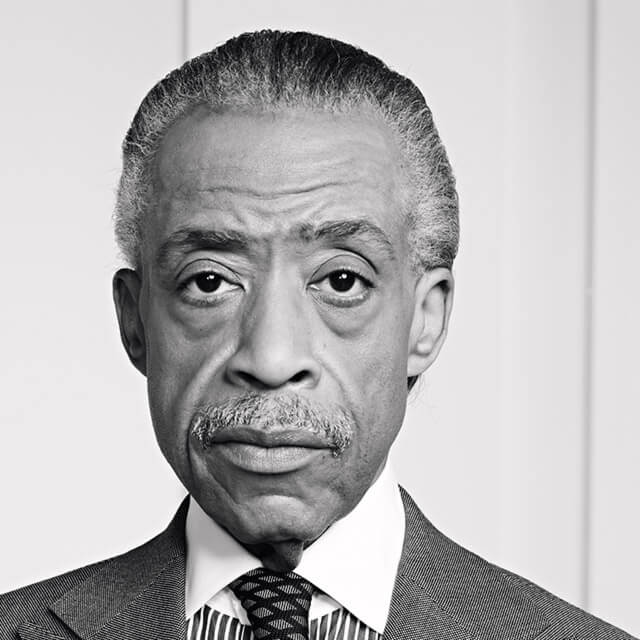
The 2026 gathering was organized by Rev. Al Sharpton’s National Action Network and the Drum Major Institute and co-chaired by Sharpton, Martin Luther King III and Arndrea Waters King. More than 90 partner organizations reportedly participated, including the NAACP and National Urban League.
The march centered on voting rights following a U.S. Supreme Court decision that weakened a central provision of the Voting Rights Act and opened the door to redistricting that could reduce Black political representation.
Speakers included Sen. Bernie Sanders, Rep. Alexandria Ocasio-Cortez, Rep. Yvette Clarke, Rep. Cleo Fields and Rep. Shomari Figures. Virginia Gov. Abigail Spanberger also joined the Lincoln Memorial program. Speakers warned that voting access and other civil-rights protections were being rolled back as the nation approached the midterm elections. Thousands participated in the demonstration, according to national news reports. (Associated Press, Reuters)
Those concerns are legitimate. Black voting strength is under direct threat, and protecting access to the ballot remains essential. But the narrow framing of the march around voting also raises a difficult question: What exactly are Black Americans being asked to vote for?
Where Was the Substantive Black Policy Agenda?
The original 1963 march was not simply a symbolic appeal for participation. It was explicitly a March on Washington for Jobs and Freedom, built around concrete demands involving employment, wages, civil rights, school desegregation and federal protection against discrimination.
The 2026 march promoted broad themes of voting rights, economic dignity and affordability. Yet its public message appeared to place greater emphasis on getting people to vote than on presenting a detailed policy agenda addressing conditions experienced specifically by African Americans.
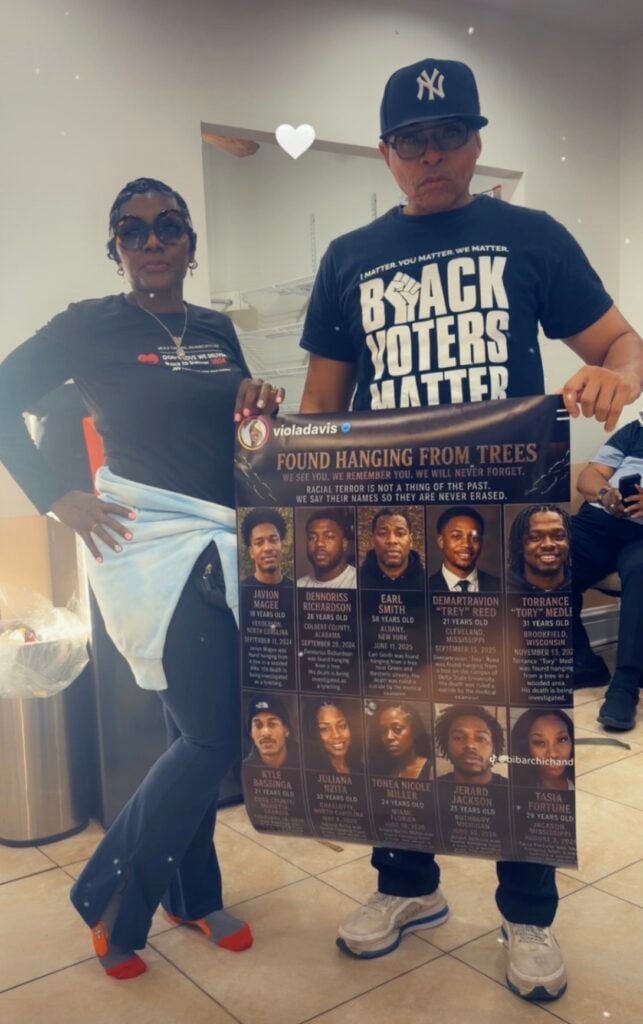
Where were the concrete demands concerning modern-day lynchings and racially motivated killings? Where was the comprehensive criminal-justice platform addressing police accountability, wrongful convictions, sentencing disparities, prison conditions and the continued criminalization of Black communities?
Where was the demand for federal reparations, economic repair, targeted investment in historically excluded Black neighborhoods, protection of Black-owned land and businesses, or enforcement measures capable of closing the racial wealth gap?
Voting is a tool. It is not, by itself, a policy outcome.
Some critics on social media characterized the march as empty, performative political posturing—another carefully staged gathering that invokes the legacy of Dr. Martin Luther King Jr. without producing a measurable Black policy mandate. Others questioned whether familiar national figures and organizations have become political gatekeepers whose mobilizations ultimately preserve their own access and influence while asking the community for continued loyalty.
Those criticisms reflect a growing distrust of prominent organizational leaders, including Rev. Sharpton. That distrust cannot simply be dismissed as cynicism. It grows when national organizations ask local people to mobilize but fail to communicate with them, respect their sacrifices or explain when basic commitments are not honored.
St. Louis Deserves Answers
The St. Louis Argus has requested a written explanation from Rev. Sharpton and the National Action Network.
The community deserves to know why the chartered buses failed to arrive, why local organizers received no warning, who was responsible for coordinating transportation, and why there was no immediate communication after the failure became known.
The affected volunteers also deserve to know whether NAN will issue a formal apology, reimburse individuals or organizations that incurred expenses, and implement safeguards to prevent this from happening again.
The people of St. Louis answered the call. They prepared to stand at the Lincoln Memorial in defense of voting rights and in honor of those who marched in 1963. They upheld their end of the commitment.
They should not have been left behind—physically, politically or organizationally.
A movement seeking to defend democracy must begin by respecting the people who show up to defend it.
THE ST. LOUIS ARGUS • INFORMING, INSPIRING & EMPOWERING OUR COMMUNITY SINCE 1912