
Five Black Governors Make History as Democrats Capture Congress and Reshape America’s Political Landscape
The ARGUS Political Desk | November 4, 2026
President Donald Trump urged Americans to vote in the 2026 midterm elections as though his name were on the ballot. With Democrats capturing both chambers of Congress and winning consequential races across the country, the results have become a national test of his administration’s policies, priorities and political influence.
The breadth of the Democratic victories offers substantial grounds to interpret the election as a referendum on Trump’s second presidency. Yet the results also tell a larger story about American democracy, including a historic expansion of Black executive leadership and changing political alignments in states once considered reliably Republican.
Five Black Governors: An American First
For the first time in United States history, five elected Black governors are expected to serve simultaneously.
Keisha Lance Bottoms, Georgia (Democrat): The former Atlanta mayor becomes the first Black woman elected governor in American history.
Byron Donalds, Florida (Republican): The congressman becomes Florida’s first Black governor, demonstrating that this expansion of Black executive leadership crosses partisan lines.
David Crowley, Wisconsin (Democrat): The Milwaukee County executive becomes Wisconsin’s first Black governor.
Aaron Ford, Nevada (Democrat): Nevada’s attorney general defeated incumbent Republican Governor Joe Lombardo, becoming Nevada’s first Black governor.
Wes Moore, Maryland (Democrat): The nation’s third elected Black governor secured another term.
Ford’s victory is particularly noteworthy. Nevada is a closely contested presidential battleground that supported Trump in 2024. His election also contributed to a Democratic sweep of the state’s constitutional executive offices.
The significance of these five governorships is difficult to overstate. Before 2026, only three Black Americans had ever been elected governor of a U.S. state: L. Douglas Wilder of Virginia, Deval Patrick of Massachusetts and Wes Moore of Maryland.
That historical barrier has now been substantially altered in a single election cycle.
These victories should not, however, be interpreted as evidence of a single Black political ideology. Donalds represents the Republican Party, while the other four governors are Democrats. Their records and priorities will differ, even as their elections collectively mark a historic expansion of representation.
Georgia’s Black Women Make History
Georgia produced another extraordinary development.
Alongside Bottoms’s gubernatorial victory, Tanya Miller won the attorney general’s office and Penny Brown Reynolds was elected secretary of state.
The result places Black women in three of Georgia’s most consequential statewide executive positions.
Their responsibilities will extend from the governor’s executive authority to legal enforcement and election administration. Their elections carry particular historical weight in a state central to the civil rights movement and the long struggle for Black political participation.
Texas and the Changing Political Map
Texas delivered one of the election’s most consequential shifts.
Democrat Gina Hinojosa defeated Republican Governor Greg Abbott, becoming the state’s first Latina governor. Democrat James Talarico also won the state’s U.S. Senate contest.
These victories mark a significant change in Texas politics after decades of Republican dominance.
The consequences will depend on how the new governor works with the state legislature and how the newly elected senator participates in a changed balance of power in Washington.
Democrats Capture the Senate
Democrats secured control of the U.S. Senate after flipping seven Republican-held seats, including contests in Kansas, Iowa, Texas, Ohio, Maine, North Carolina and South Carolina.
Among the most significant developments was the defeat of Maine Republican Senator Susan Collins by Democrat Troy Jackson.
Kansas also delivered a notable political reversal when Democrat Adam Hamilton defeated Republican incumbent Roger Marshall.
In Michigan, Democrat Abdul El-Sayed won the Senate contest, becoming the nation’s first Muslim U.S. senator.
Early Wednesday Senate tallies varied as election calls continued. Democrats had secured a majority, while additional races remained under review.
Mississippi’s Unfinished Historical Chapter
Mississippi’s Senate contest between Republican incumbent Cindy Hyde-Smith and Democratic challenger Scott Colom remained unresolved.
An early unofficial count placed Colom ahead by just 28 votes. Subsequent reporting showed how quickly that narrow margin could change as additional ballots were tabulated.
A Colom victory would make him Mississippi’s first Black U.S. senator since Reconstruction.
Such an outcome would carry extraordinary historical significance in a state where the struggle for voting rights shaped generations of American political history.
Until the outstanding votes are counted and the election is resolved, however, that distinction remains a possibility rather than an accomplished fact.
A Referendum on Donald Trump?
Midterm elections often reflect public judgments about the president’s performance. This election offers a particularly direct opportunity to examine that relationship because Trump himself urged voters to connect their choices to his presidency.
Democratic gains across the Senate, House and governorships provide evidence of substantial voter dissatisfaction with the direction of national government.
Economic affordability, energy prices, immigration, foreign policy and the exercise of presidential authority were among the issues shaping the campaign.
The results do not establish that every voter shared the same motivation. Individual candidates, state conditions and local issues also influenced outcomes. Nevertheless, the national pattern provides a strong basis for examining the election as a rejection of significant elements of the Trump administration’s agenda.
The distinction matters: describing the election as a referendum is a political interpretation supported by its context and results, not a claim that every ballot expressed an identical opinion.
January 2027: A Different Washington
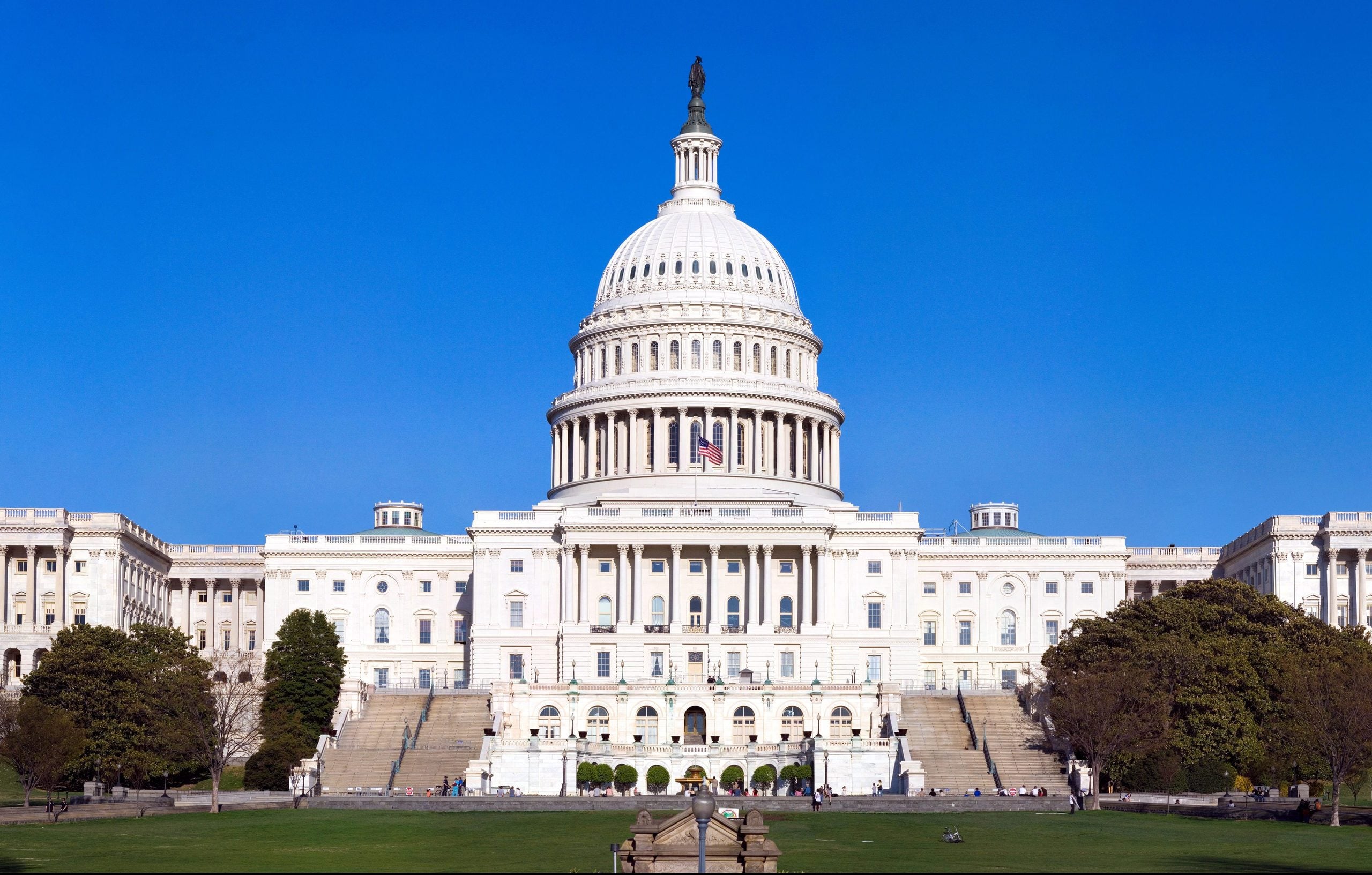
Democratic control of both congressional chambers will significantly change the institutional balance in Washington.
House Democrats will gain committee leadership, agenda-setting authority and oversight powers. Senate Democrats will control committee organization and the consideration of executive and judicial nominations.
The president will retain veto authority, while Senate procedural rules and differences within the Democratic caucus may constrain legislative action.
The result is a divided federal government in which negotiation and institutional conflict may both play substantial roles.
Hakeem Jeffries and Chuck Schumer: Leadership Under New Conditions
For House Democratic leader Hakeem Jeffries, the election creates the possibility of another historic first.
If elected speaker when the new House convenes, Jeffries would become the first Black speaker in American history.
His responsibilities would include managing a diverse Democratic caucus, setting legislative priorities and overseeing congressional investigations.
Senate Democratic leader Chuck Schumer faces a parallel challenge. His caucus will include senators representing states with very different political constituencies and policy priorities.
Questions of leadership will therefore move beyond campaign messaging to the practical demands of governing.
Can congressional Democrats maintain agreement on budget priorities, healthcare, immigration and oversight? How will they negotiate with a Republican president? And how will they balance competing expectations among newly elected members?
Those questions will help define the next Congress.
History Has Been Made. Governing Comes Next.
The 2026 midterms have altered the American political landscape in several measurable ways.
Five Black governors will serve simultaneously for the first time. Black women have won major statewide executive offices in Georgia. Texas has elected its first Latina governor. Democrats have captured both chambers of Congress, while closely contested races continue to shape the final electoral picture.
President Trump encouraged voters to treat the midterms as a judgment on his leadership. The resulting Democratic gains give that appeal lasting political significance.
Yet election-night victories represent the beginning of a new governing period, not its conclusion.
When Congress convenes in January 2027, the enduring significance of these results will depend on what elected officials accomplish, how they exercise their authority and whether the political changes translate into meaningful outcomes for the American people.
The ARGUS Political Desk
Election analysis based on reported results and projections available November 4, 2026. Outstanding contests and unofficial vote totals remain subject to change